
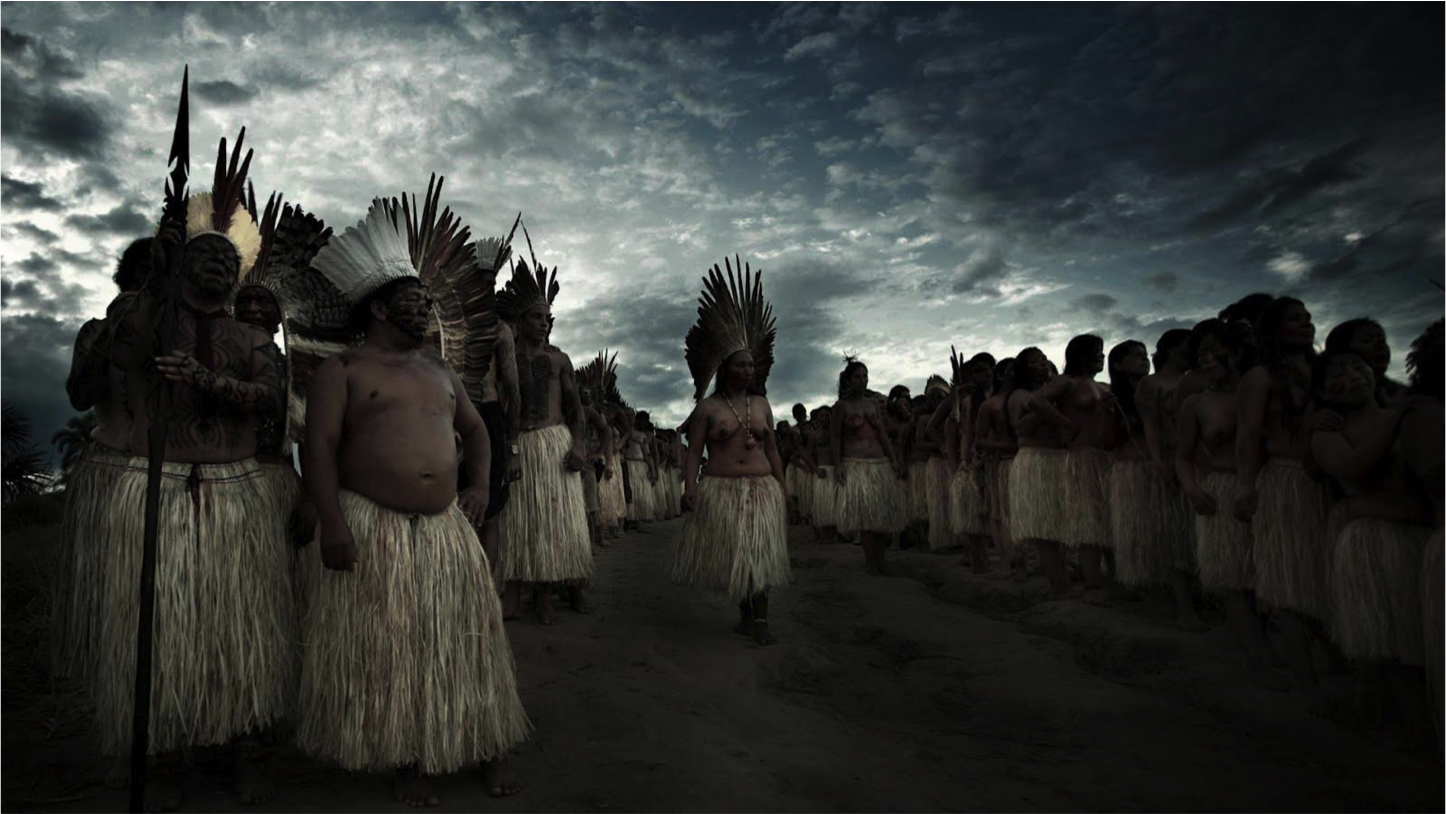
THE YAWANAWA
Photo: Marcos Lopes
HISTORY & BACKGROUND
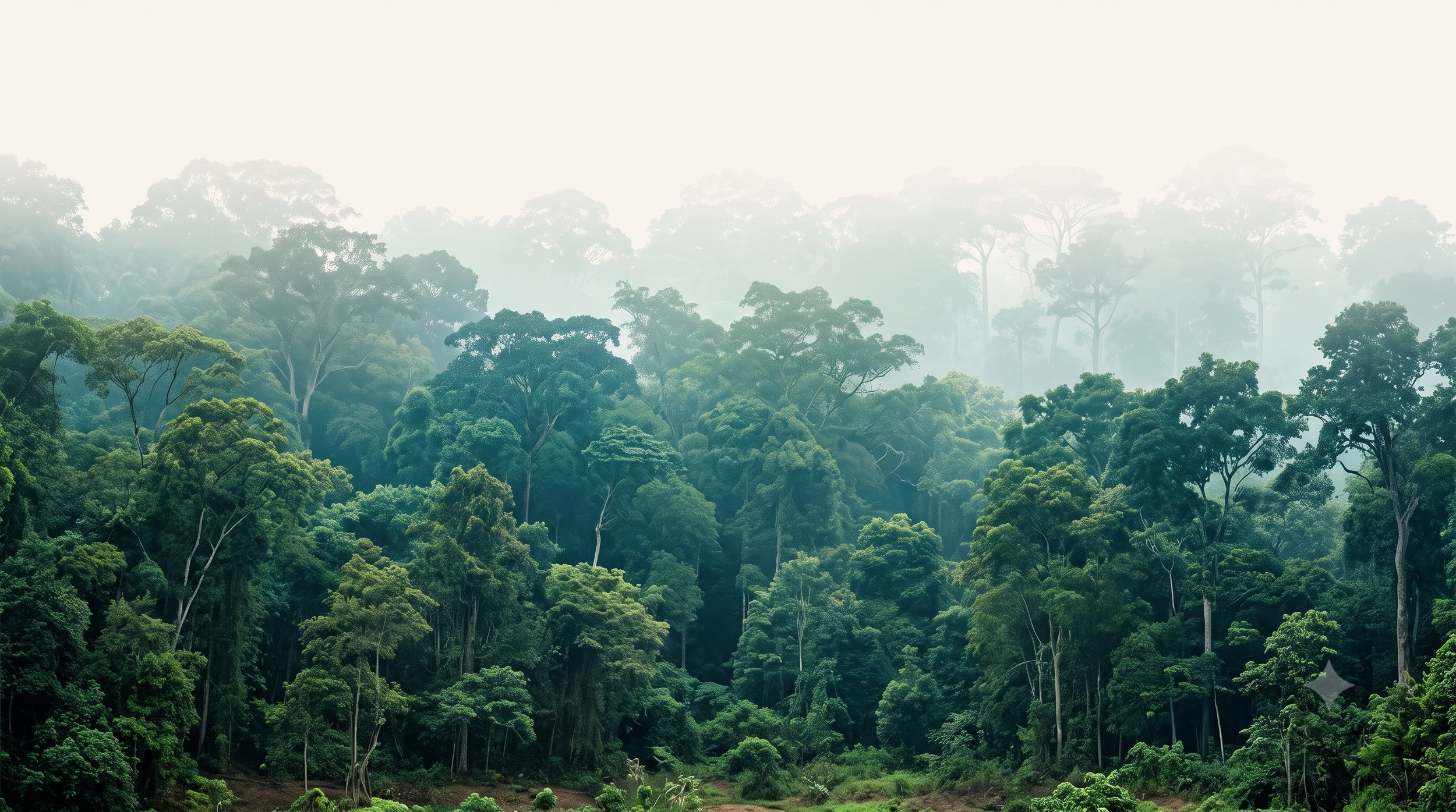
We, the Yawanawa people, have lived along the banks of the Gregório River, in the Brazilian state of Acre, since time immemorial. Today we are guardians of approximately 187,000 hectares (462,000 acres) of Amazon rainforest, nearly 95% of it intact.
Like many Amazonian peoples, we endured a traumatic period after contact with the Western world. Epidemics, violent conflict, forced labor during the rubber boom, and decades of repression by Protestant missionaries nearly extinguished our culture. At one point, our entire Yawanawa population had been reduced to a single village of only seventy people.

It is time for forgiveness. Time for love.
Time for spirituality. It is time for humanity to return to its origins, to the Earth, to our hearts.
To learn to love and respect one another.
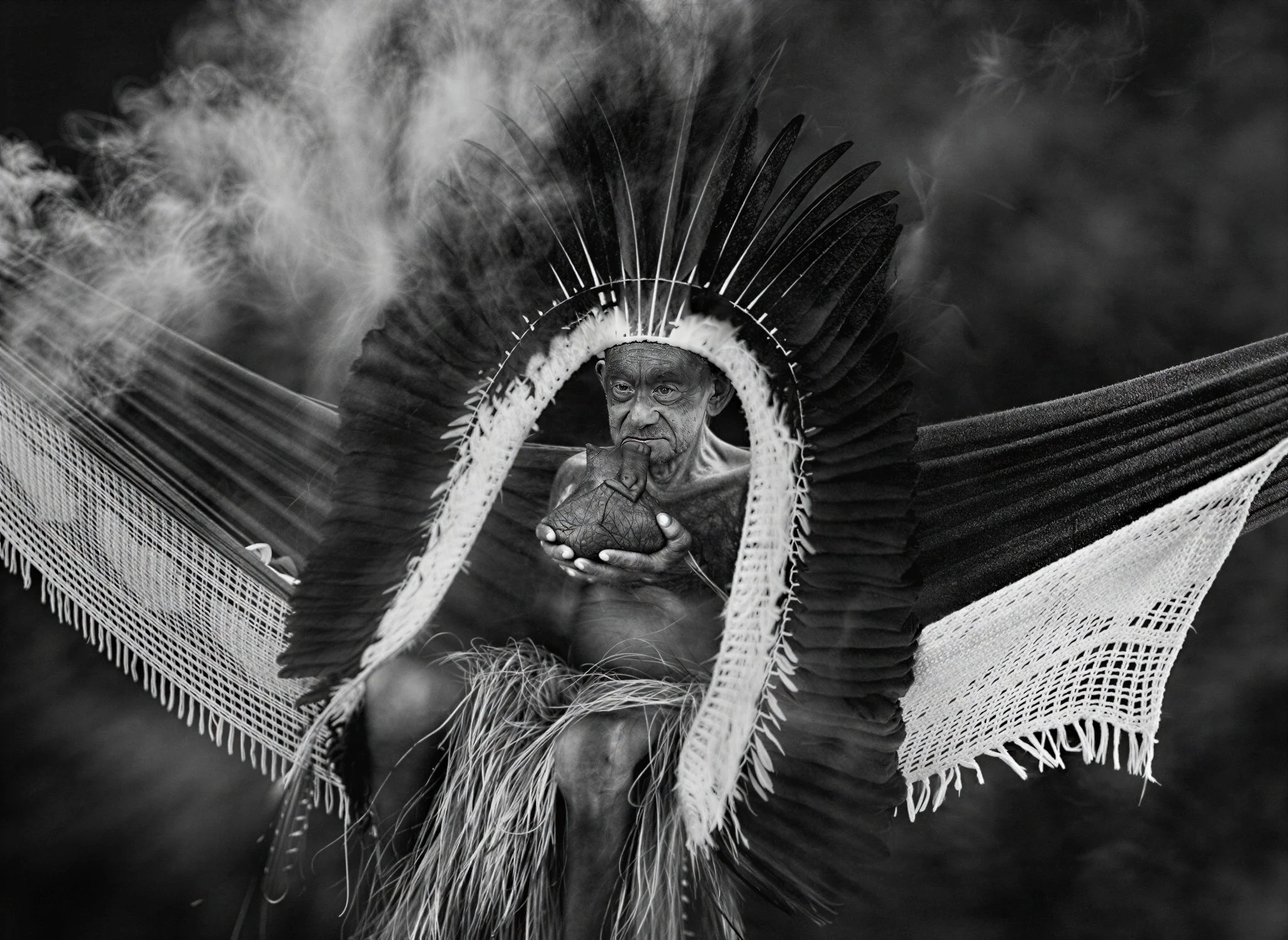
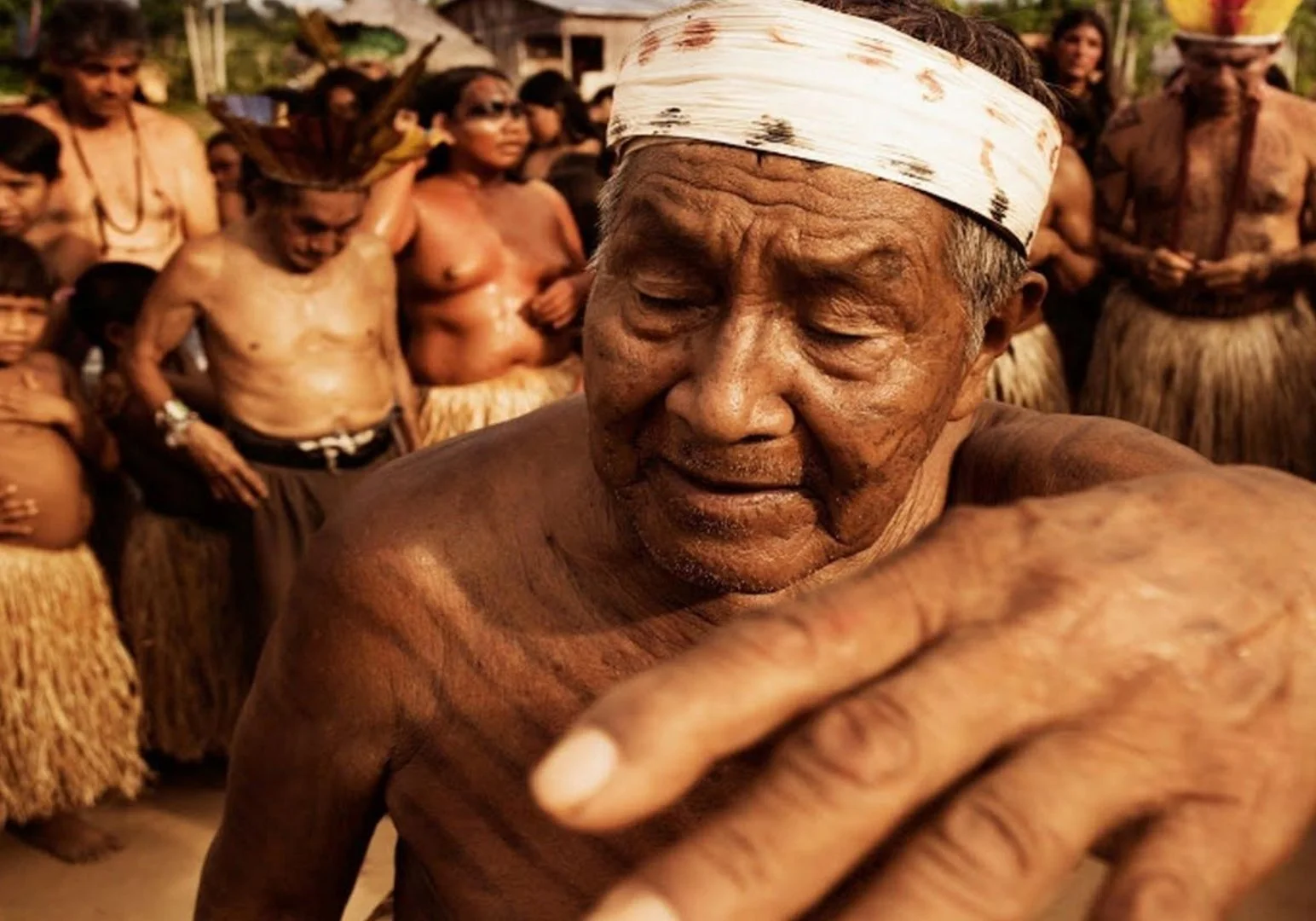
To build alliances. To join forces. This is the moment.— Yawarani Yawanawa
Pajé Yawarani | Photo: Marcos Lopes
Pajé Tatá | Photo: Sebastião Salgado
Following the legal recognition of our ancestral territory, we reclaimed our lands, expelling the rubber bosses and the missionaries who had dominated our territory for decades. We then turned to our elders to recover the songs, prayers, ceremonies, language, and spiritual knowledge that had nearly disappeared.
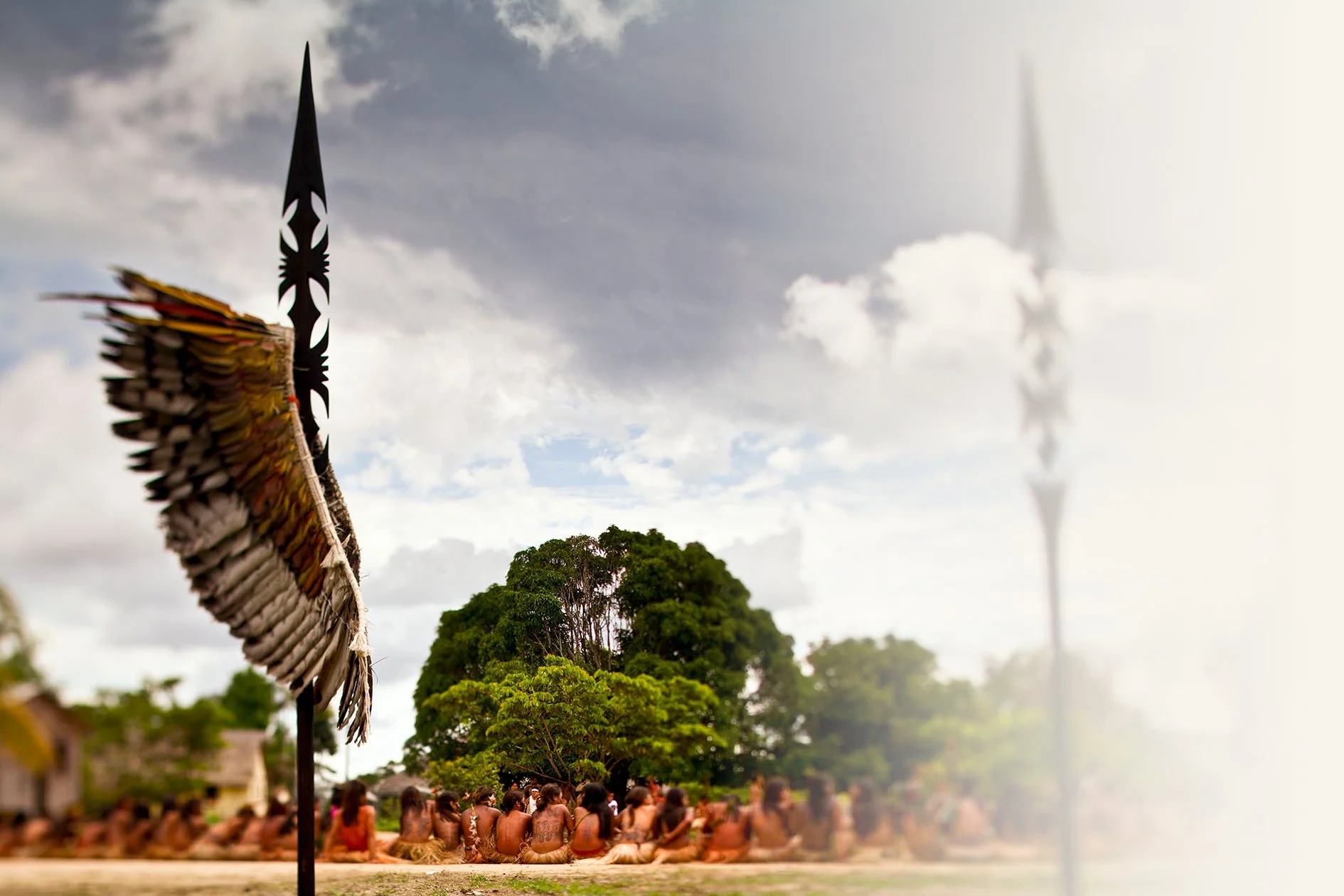
This revival soon drew people from around the world interested in learning about our culture, spirituality, and healing traditions, creating a new sustainable livelihood for our families through community-based tourism, a model that has since spread to neighboring Indigenous nations across Acre and Brazil.
Photo: Marcos Lopes
A CULTURAL AND SPIRITUAL RENAISSANCE
Guided by great spiritual teachers such as Pajés Tatá and Yawarani, we revived ceremonies, medicines, sacred songs, and ancestral knowledge once at risk of disappearing, and prepared a new generation of guardians of our tradition. This revival was a time of historic transformation for our people.
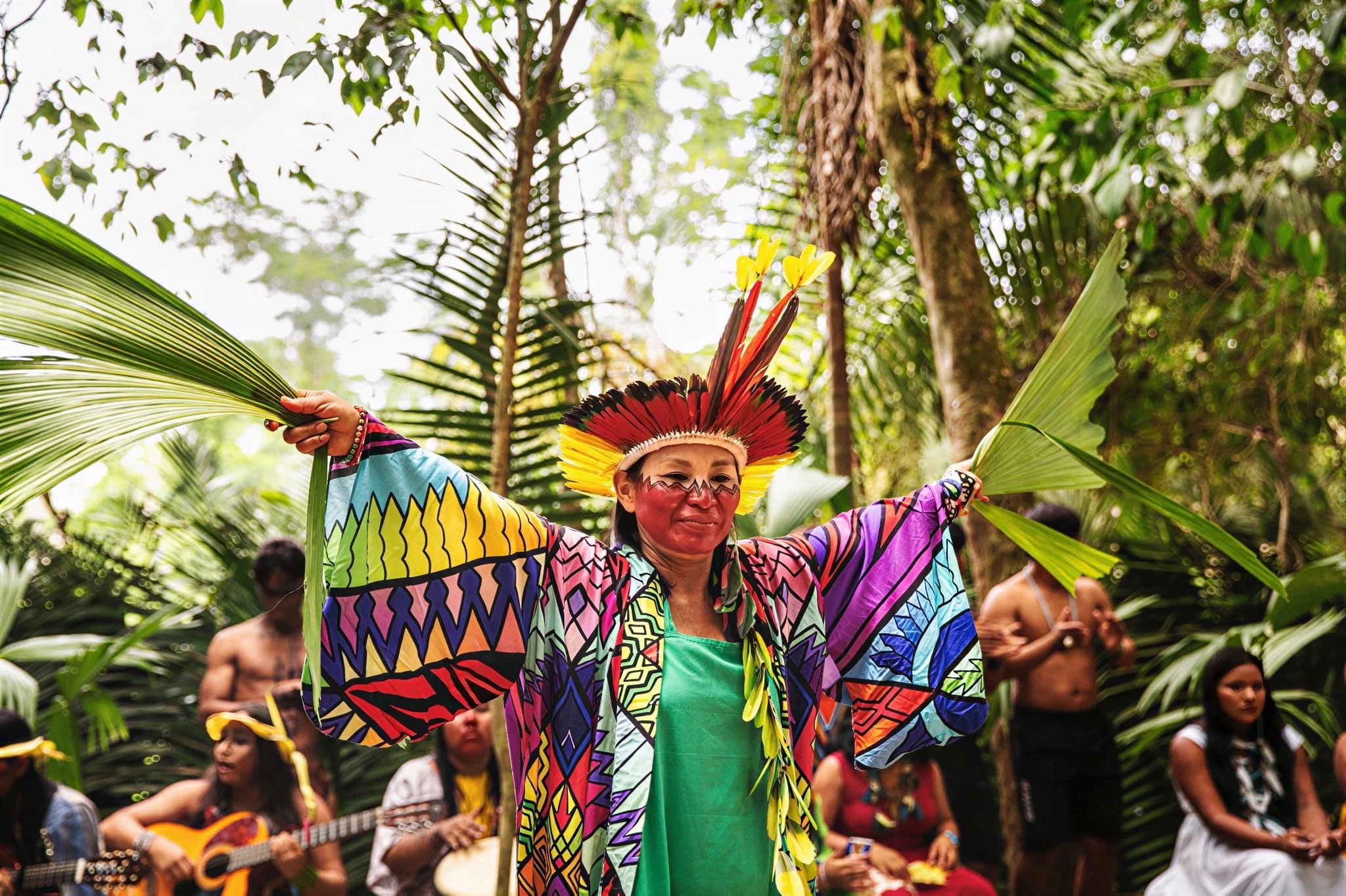
Photo: Camilla Coutinho
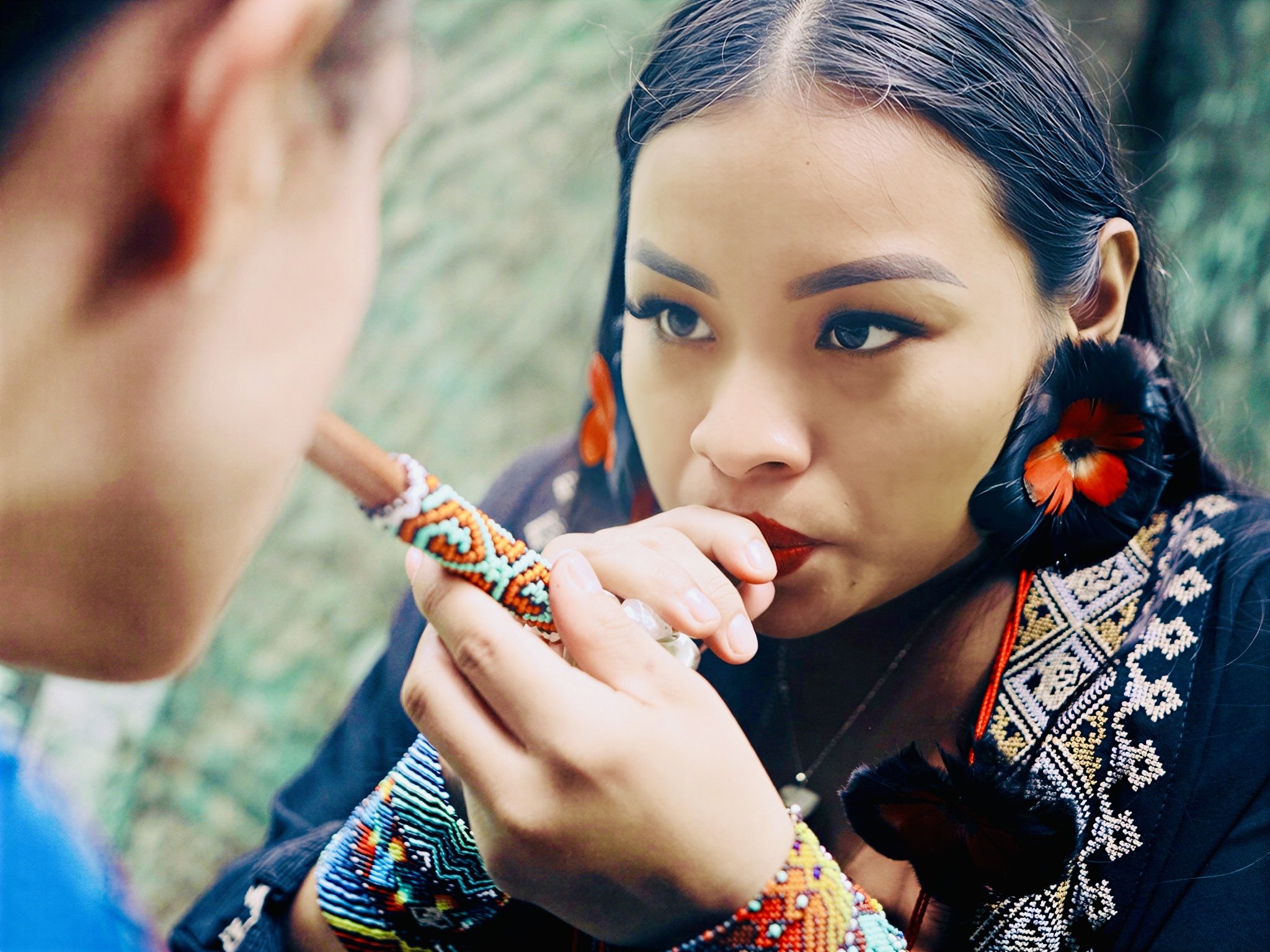
For the first time in our history, women undertook the path of spiritual formation once reserved only for men, becoming respected medicine women, ceremonial singers, and spiritual leaders. Today, many Yawanawa women have followed in their footsteps, bringing the beauty and strength of the feminine into our sacred studies.
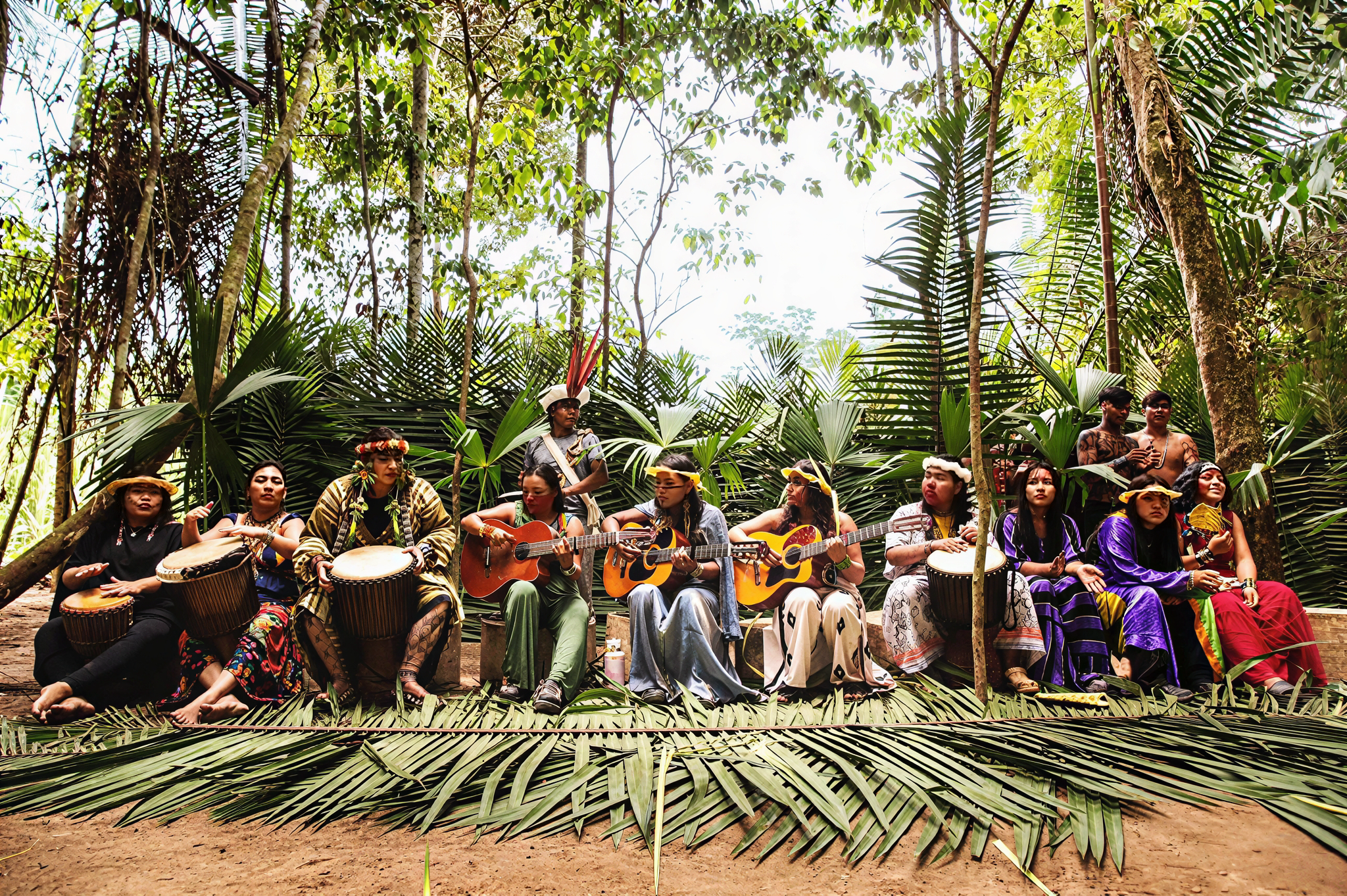
Our songs have also transformed. Traditional chants that were once heard only within the forest are now sung alongside musical instruments and new artistic expressions, carrying our ceremonial spirit to new countries and cultures.
We are proud to say the new Yawanawa generation carries a spiritual lineage that remains vibrant and evolving while deeply rooted in our ancestral foundations.
A LIVING HERITAGE FOR HUMANITY
Our cultural and spiritual tradition is our greatest treasure, and stands as a living heritage for humanity. At a time when the world is searching for ways to reconcile development, environmental stewardship, and spirituality, our ancestral knowledge offers an integrated vision of life, founded on respect, reciprocity, and the understanding that the forest itself is a living being: a source of intelligence, wisdom, and healing. To preserve this tradition is to safeguard the memory of our people and to protect a legacy of immeasurable value for present and future generations.
CHIEF BIRACI BRASIL NIXIWAKA
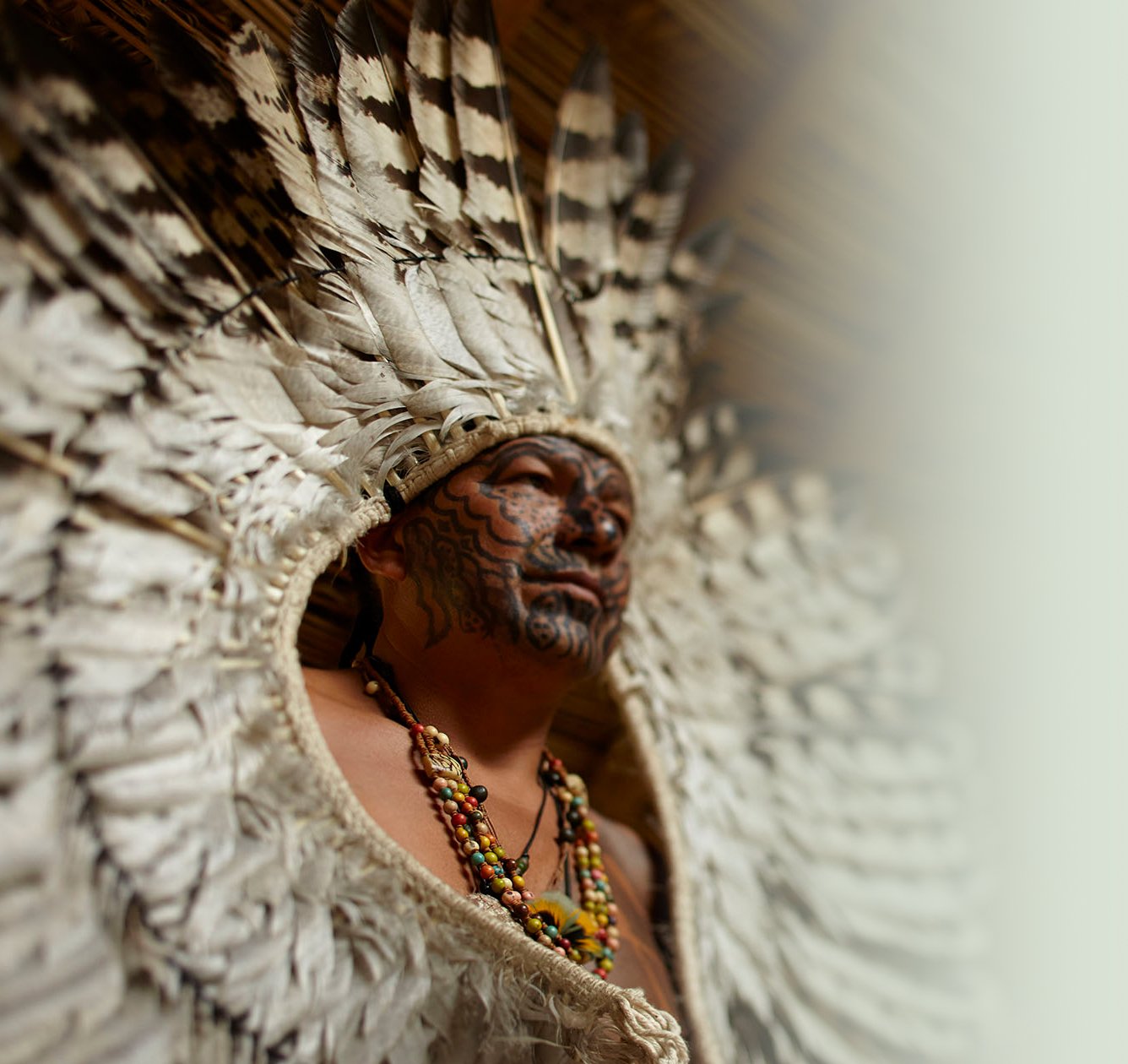
Photo: Marcos Lopes
Chief Nixiwaka is also a founding member of the Indigenous Ayahuasca Conference, held biennially since 2017. Organized by Instituto Nixiwaka together with CoopYawa and Instituto Yorenka Tasorentsi, the conference brings together Indigenous leaders, researchers, and government representatives from Brazil and around the world to defend ancestral knowledge and the self-determination of Indigenous peoples in relation to traditional medicines. Instituto Nixiwaka hosted the V Conference in 2025 and will host the VI Conference in 2027, at Aldeia Sagrada.
For more than four decades, Chief Nixiwaka has dedicated his life to defending Indigenous rights, becoming a highly respected leader in the Brazilian Amazon and a global ambassador for Indigenous knowledge, cultural preservation, and rainforest conservation. He has carried the voice of Indigenous peoples to some of the world's most influential forums, from the World Economic Forum Annual Meeting in Davos, where he took part in the launch of the Forum's Indigenous Peoples Knowledge and Leadership Network, to the opening ceremony of the Psychedelic Science Conference in Denver, the world's largest gathering dedicated to psychedelic science and traditional plant medicines.
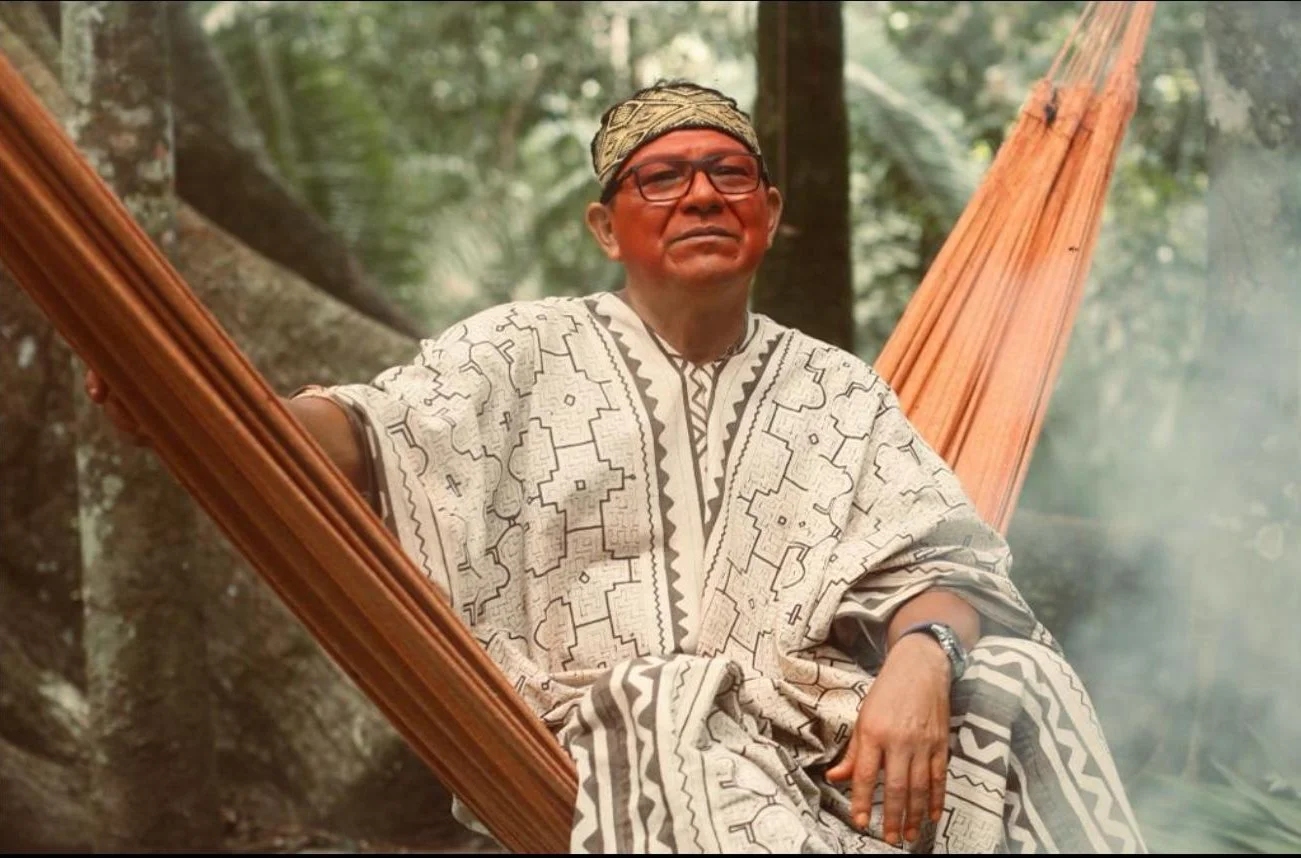
Photo: Camilla Coutinho
Chief Biraci Brasil Nixiwaka is widely recognized as one of the founding figures of the Indigenous movement in Brazil. His leadership played a decisive role in the national mobilizations that shaped Brazil's 1988 Federal Constitution, the milestone that formally recognized the original rights of Indigenous peoples to their ancestral territories, cultures, and systems of governance.
PUTANNY YAWANAWA
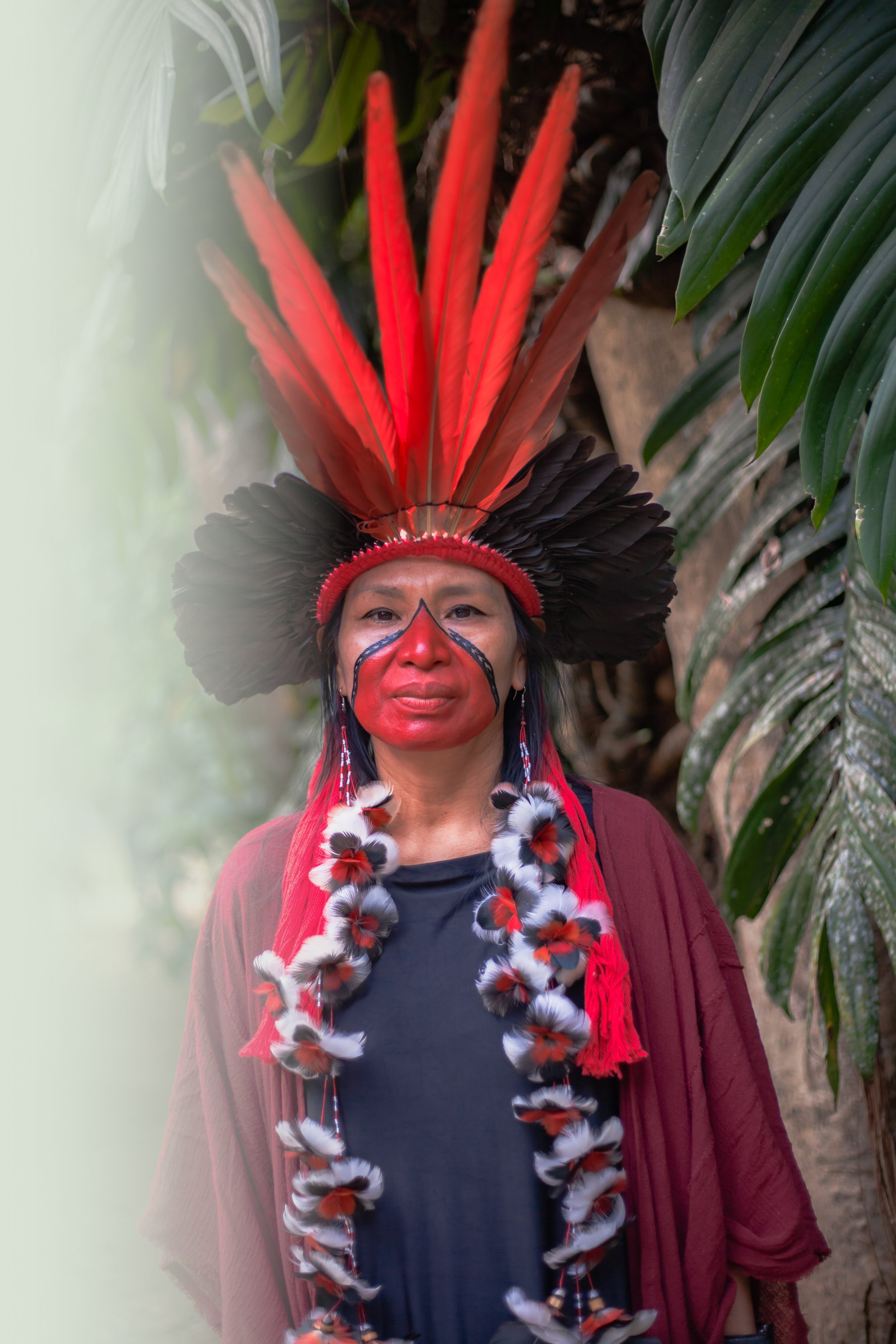
Putanny Yawanawa, daughter of the legendary Yawanawa leader Tuin Kuru, and her sister Hushahu were the first two women in the history of the Yawanawa Nation to undergo our highest spiritual initiation.
Through their dedication, wisdom, and spiritual strength, they earned the respect of their communities as spiritual leaders, opening the path for future generations of Yawanawa women.
Their achievement marked a historic transformation within Yawanawa tradition, bringing masculine and feminine spiritual lineages into harmony and strengthening the culture through the power of feminine spirituality. In recognition of this accomplishment and their contribution to the empowerment of Indigenous and Brazilian women, Putanny and her sister were honored by the Brazilian Federal Senate.
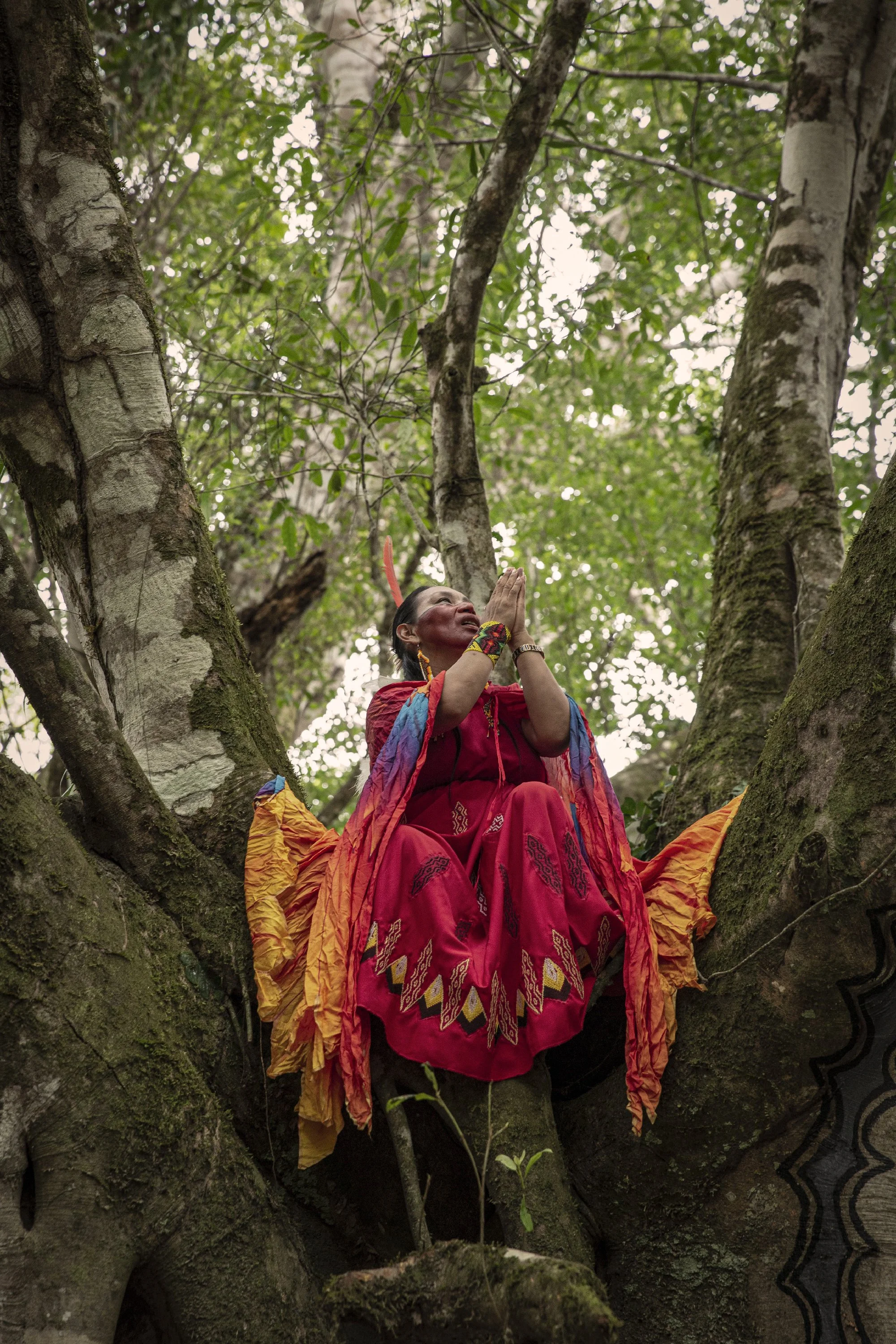
Photo: Camilla Coutinho
Admired for her powerful presence and remarkable voice, Putanny embodies the ancestral wisdom of her people. In recent years she spends most of her time at home in Aldeia Sagrada, where she continues to dedicate herself to deepening her spiritual studies. Today she is one of the principal spiritual leaders of the Yawanawa Nation, leading retreats and sharing ancestral knowledge while helping preserve Yawanawa traditions for future generations.
Aldeia Sagrada is a sanctuary where the ancestors of the Yawanawa people once lived. A resting place of our great chiefs and medicine men. It was here that our first contact with Western society took place, and the conflict that followed.
Decades later, after reclaiming our rights to our ancestral territory, we left to establish new communities and begin a new chapter. We revived our culture, our traditions, and our spirituality.
We have returned. Once again, Aldeia Sagrada thrives on our sacred land, and we are living a new era.
— Chief Biraci Brasil Nixiwaka
ALDEIA SAGRADA
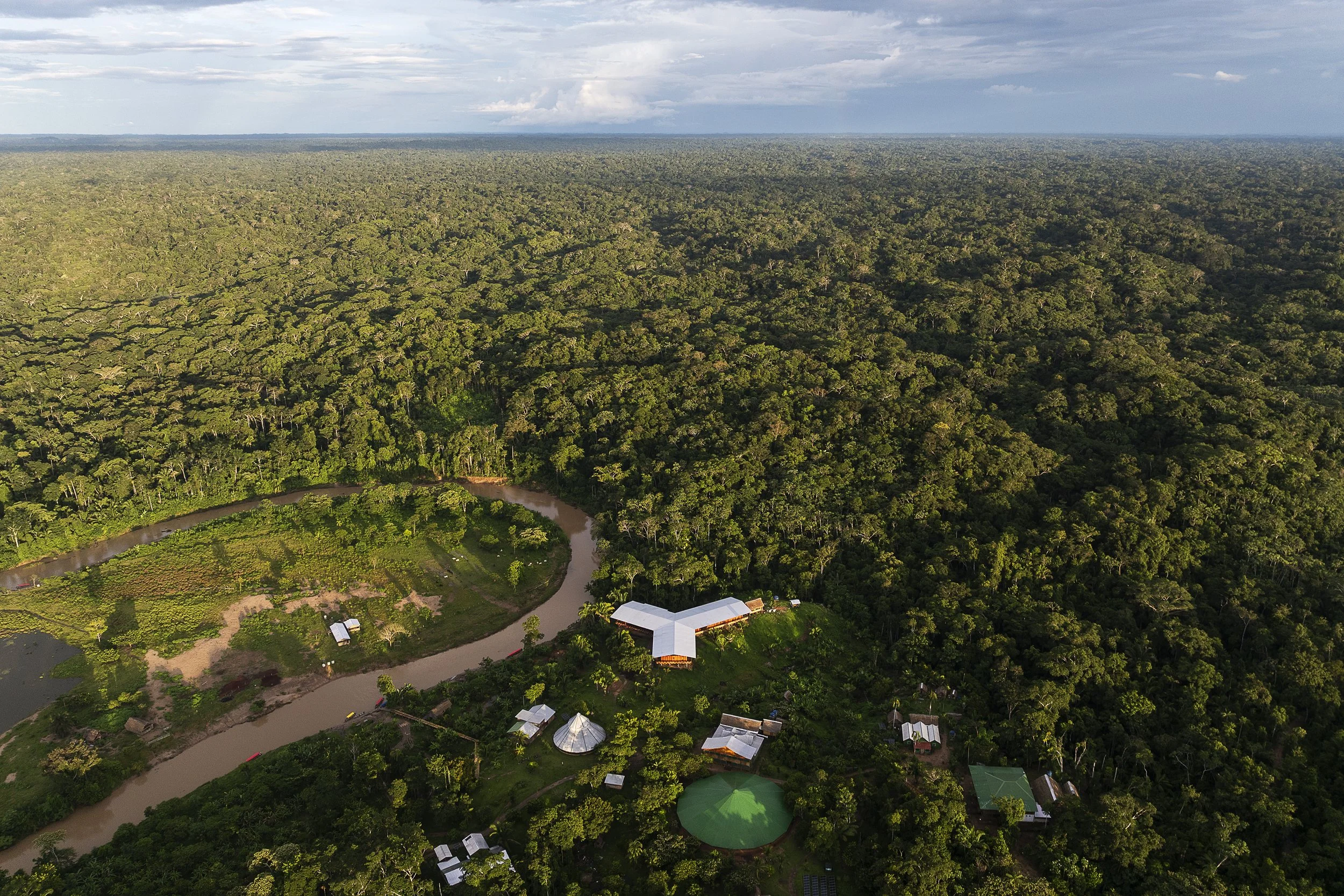
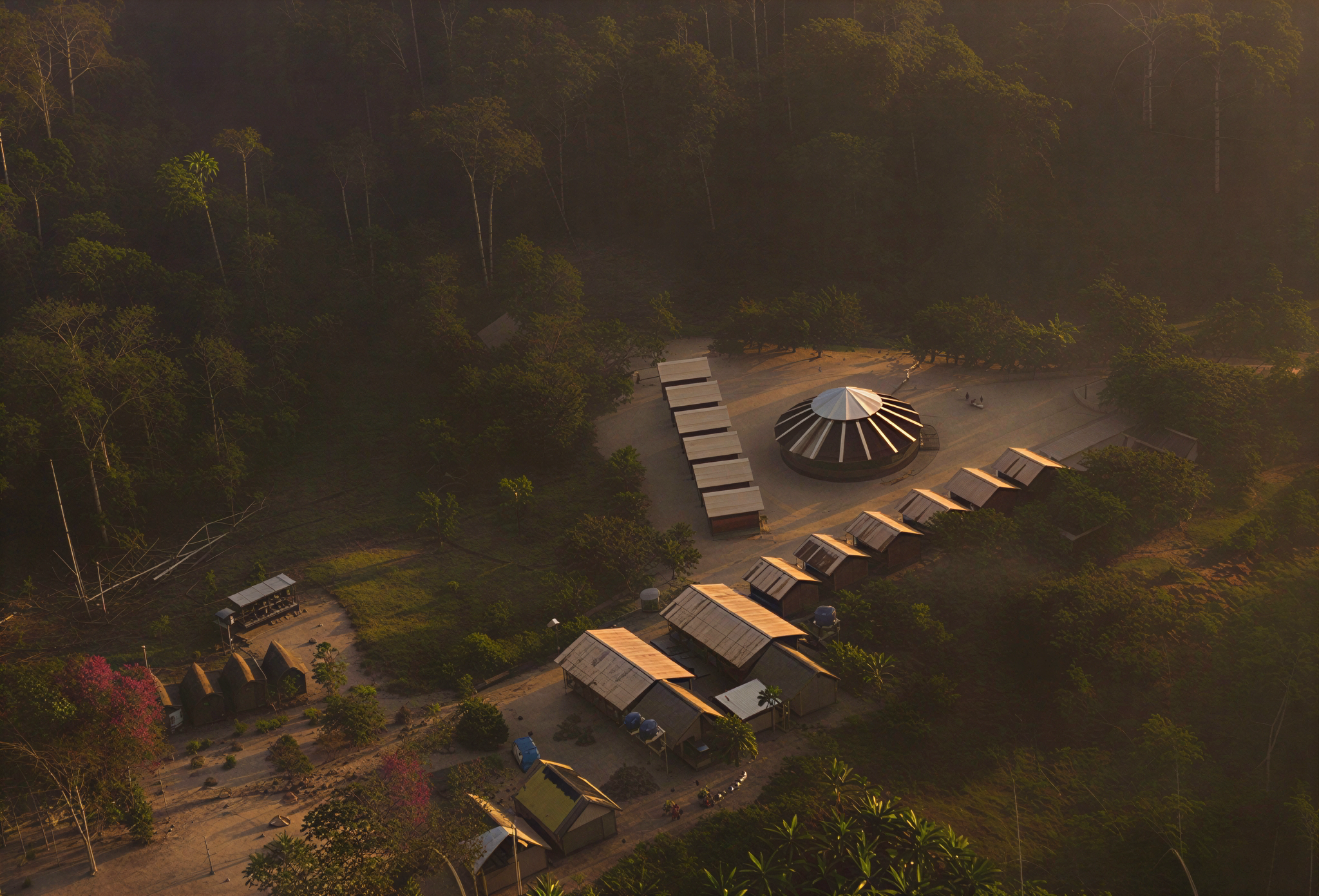
Aldeia Sagrada (Sacred Village), the headquarters of Instituto Nixiwaka, is the last village up the river, in the Yawanawa Indigenous Territory of the Gregório river in the Brazilian state of Acre. It is a spiritual sanctuary where ceremonies, traditional medicines, healing practices, and ancestral knowledge have been carefully preserved across generations.
Aldeia Sagrada has also become an important place for meetings between the Yawanawa people and the wider world. Artists, Indigenous leaders, researchers, philanthropists, and visitors from across the globe come together here for cultural and spiritual exchanges that foster mutual understanding, environmental stewardship, and respect for Indigenous peoples.
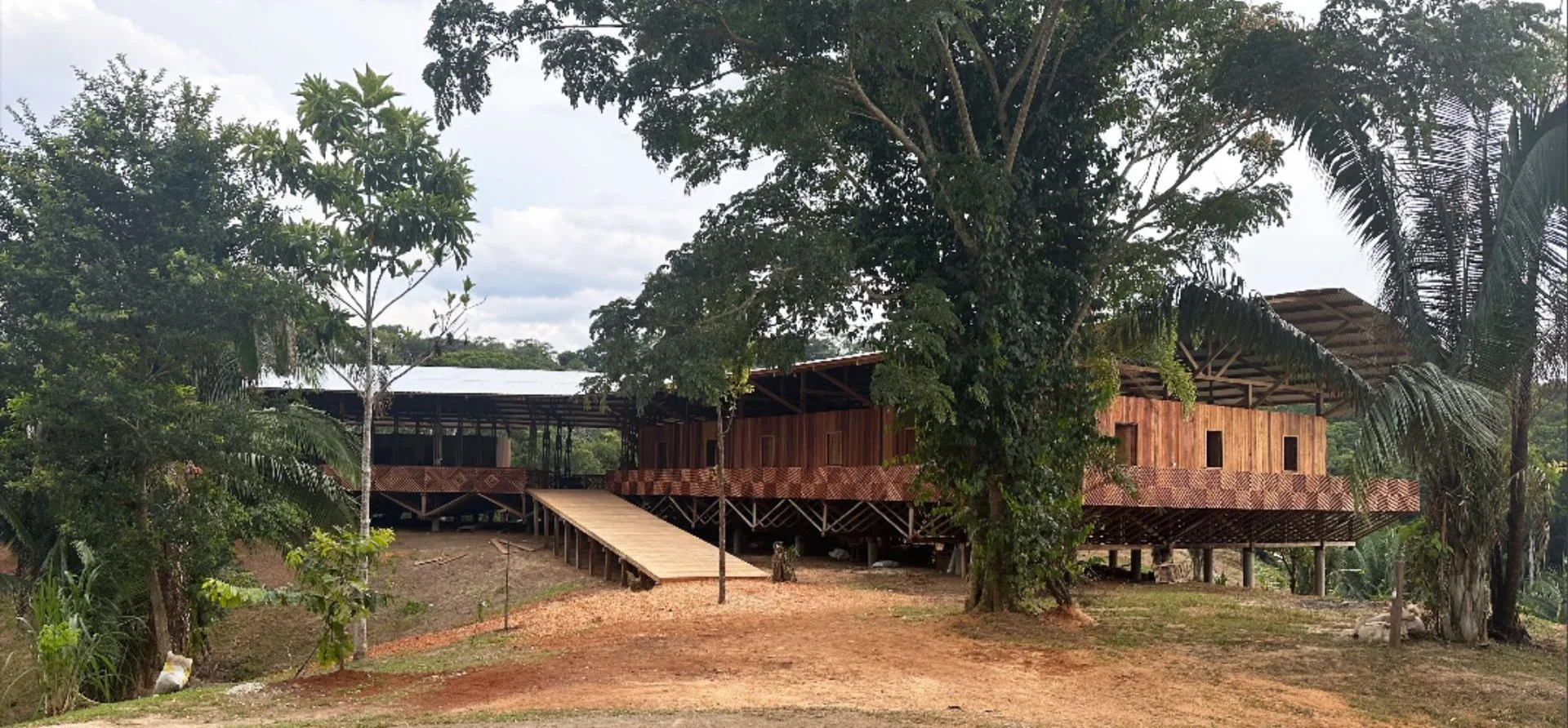
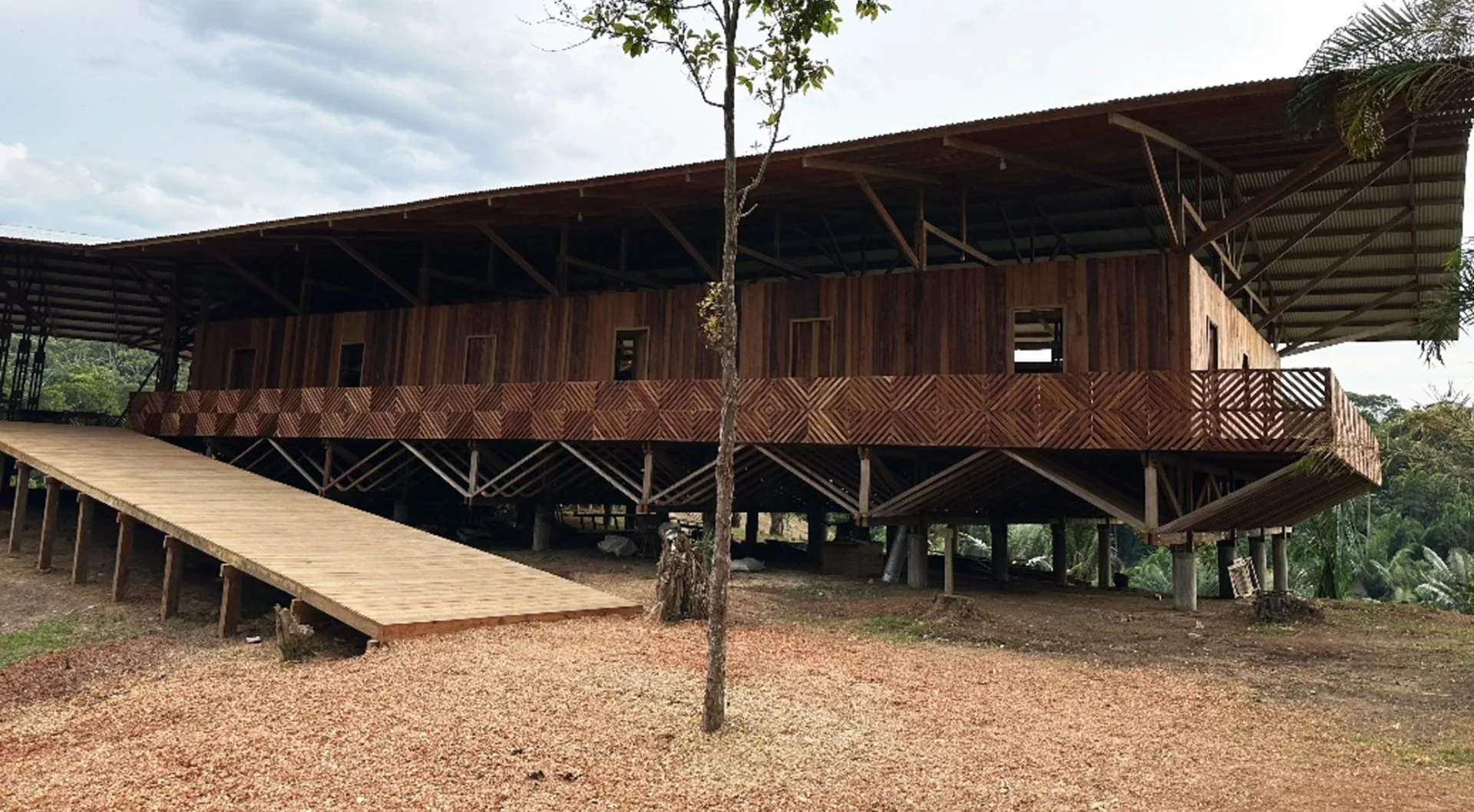
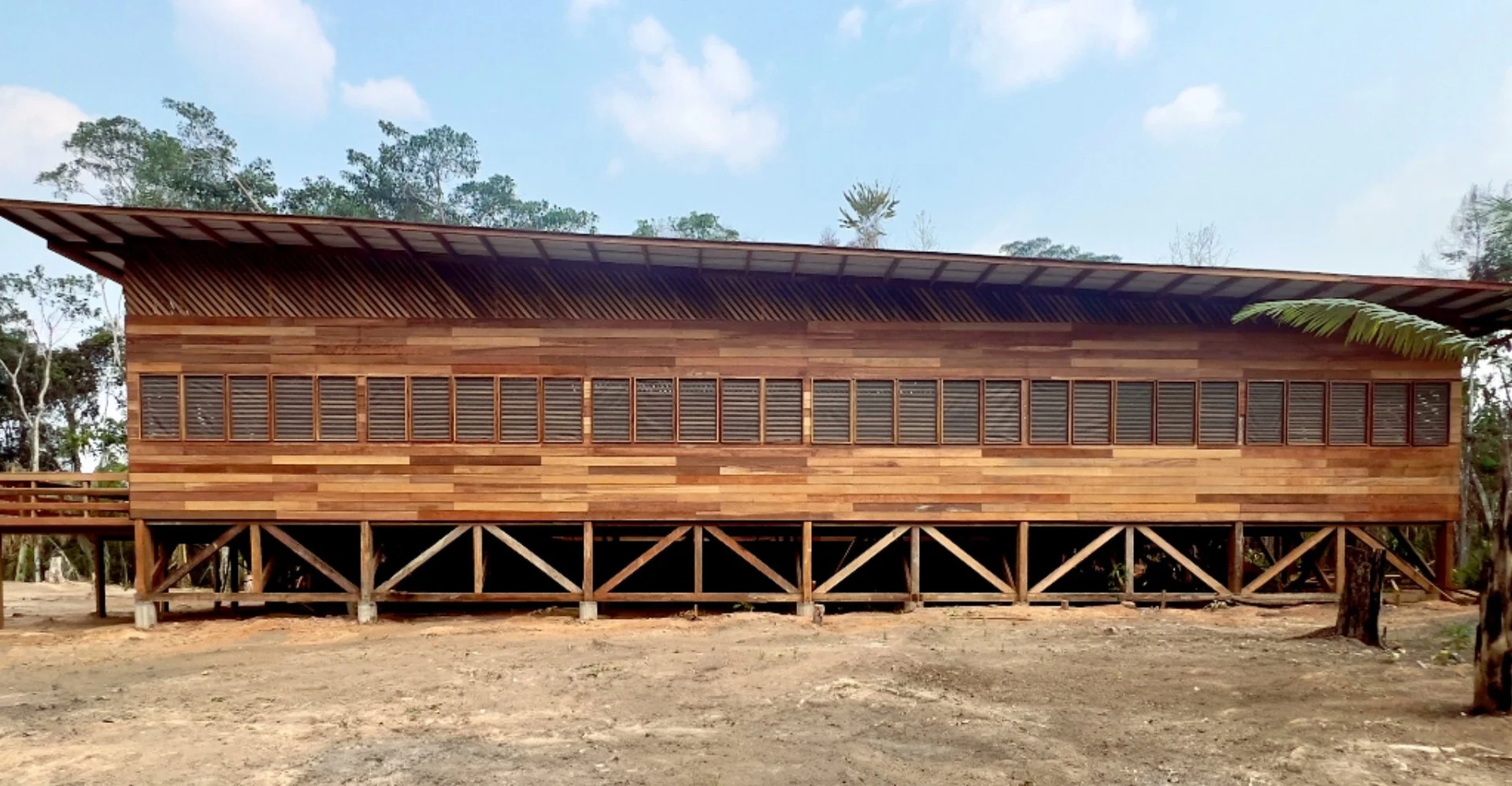
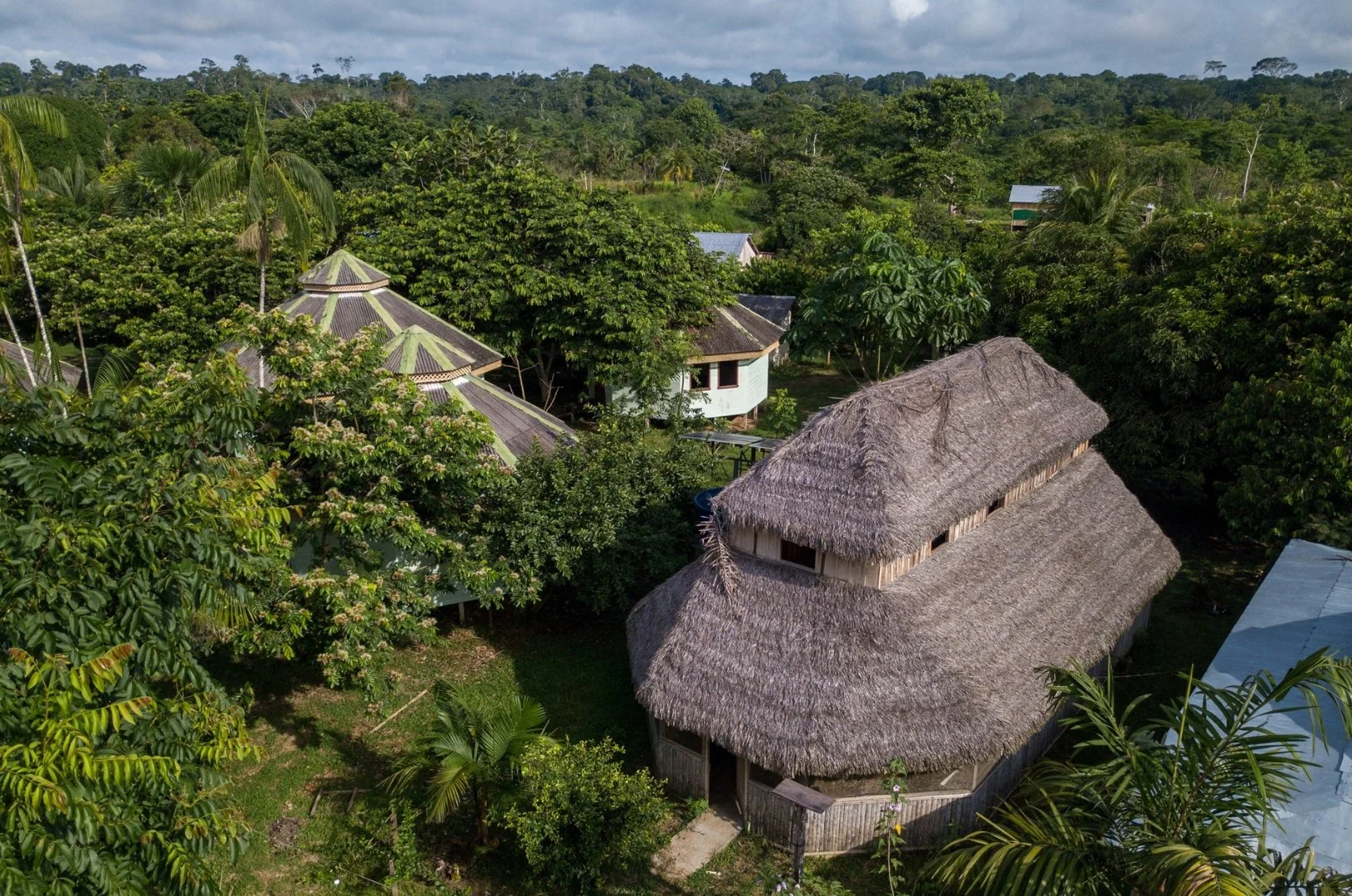
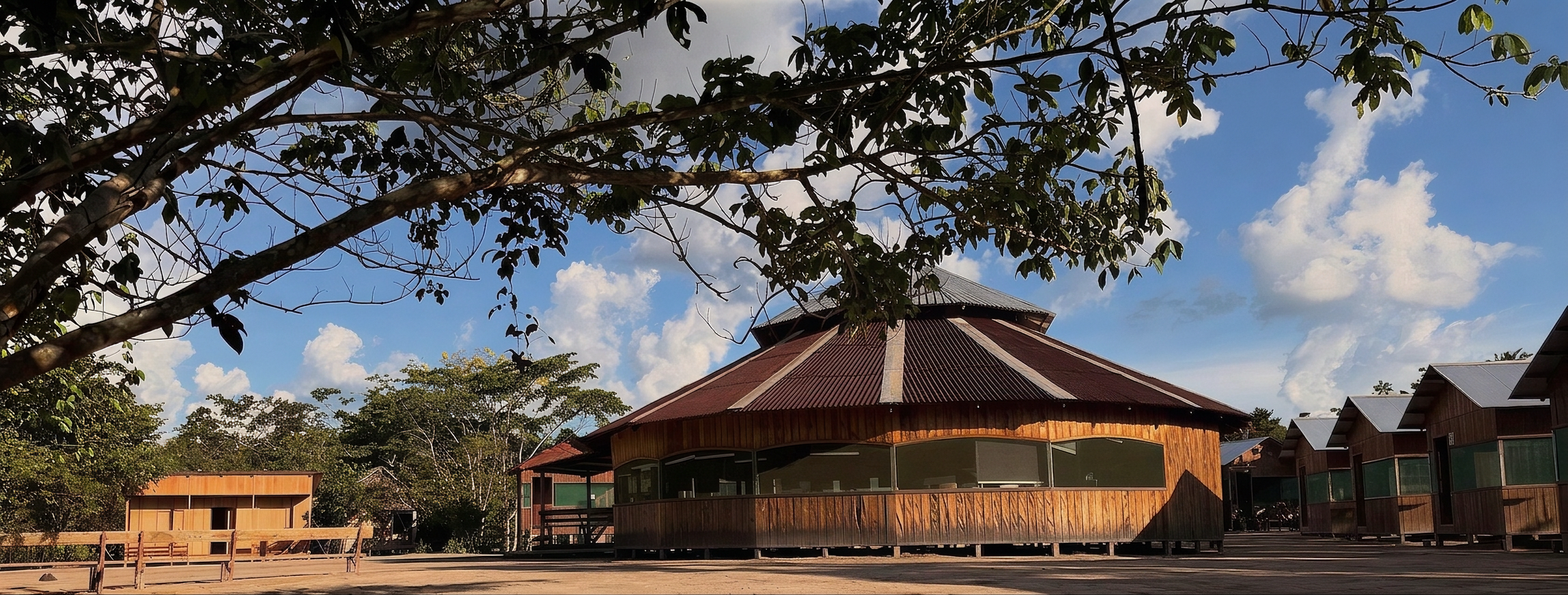
An architectural complex completed in 2024, designed by internationally acclaimed Brazilian architect Marcelo Rosenbaum, and funded by the collaborative art project Winds of Yawanawa in partnership with Refik Anadol Studio and Kanah, establishes Aldeia Sagrada as a permanent cultural landmark for the Yawanawa people while providing the infrastructure to support cultural gatherings and international convenings. The development includes a ceremonial center and accommodations for up to 250 guests, creating a unique venue for immersion, conferences, ceremonies, and educational programs.
In 2027, Aldeia Sagrada will host the VI Indigenous Ayahuasca Conference, bringing together Indigenous leaders, researchers, policymakers, and practitioners from around the world.
Aldeia Sagrada Infrastructure
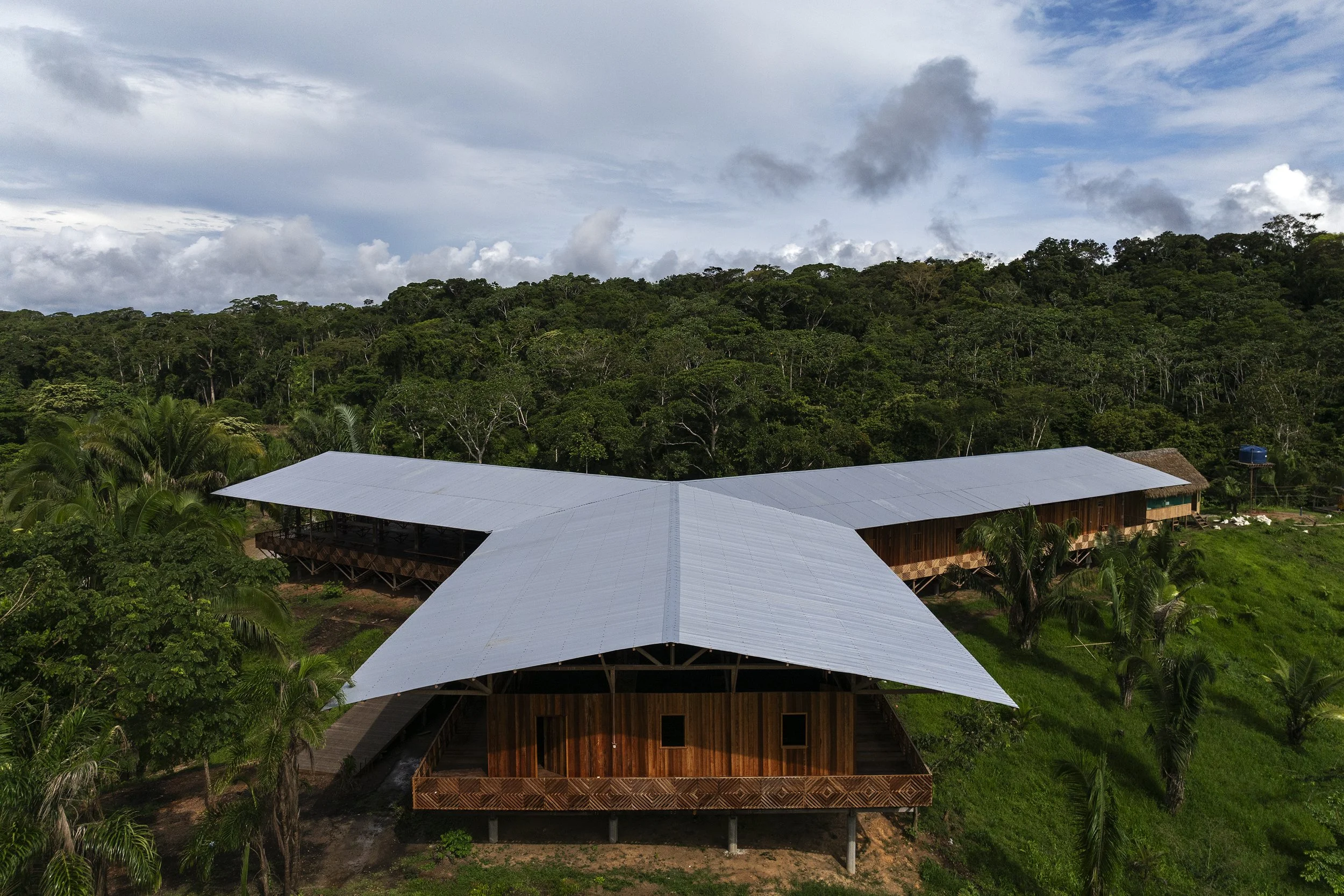
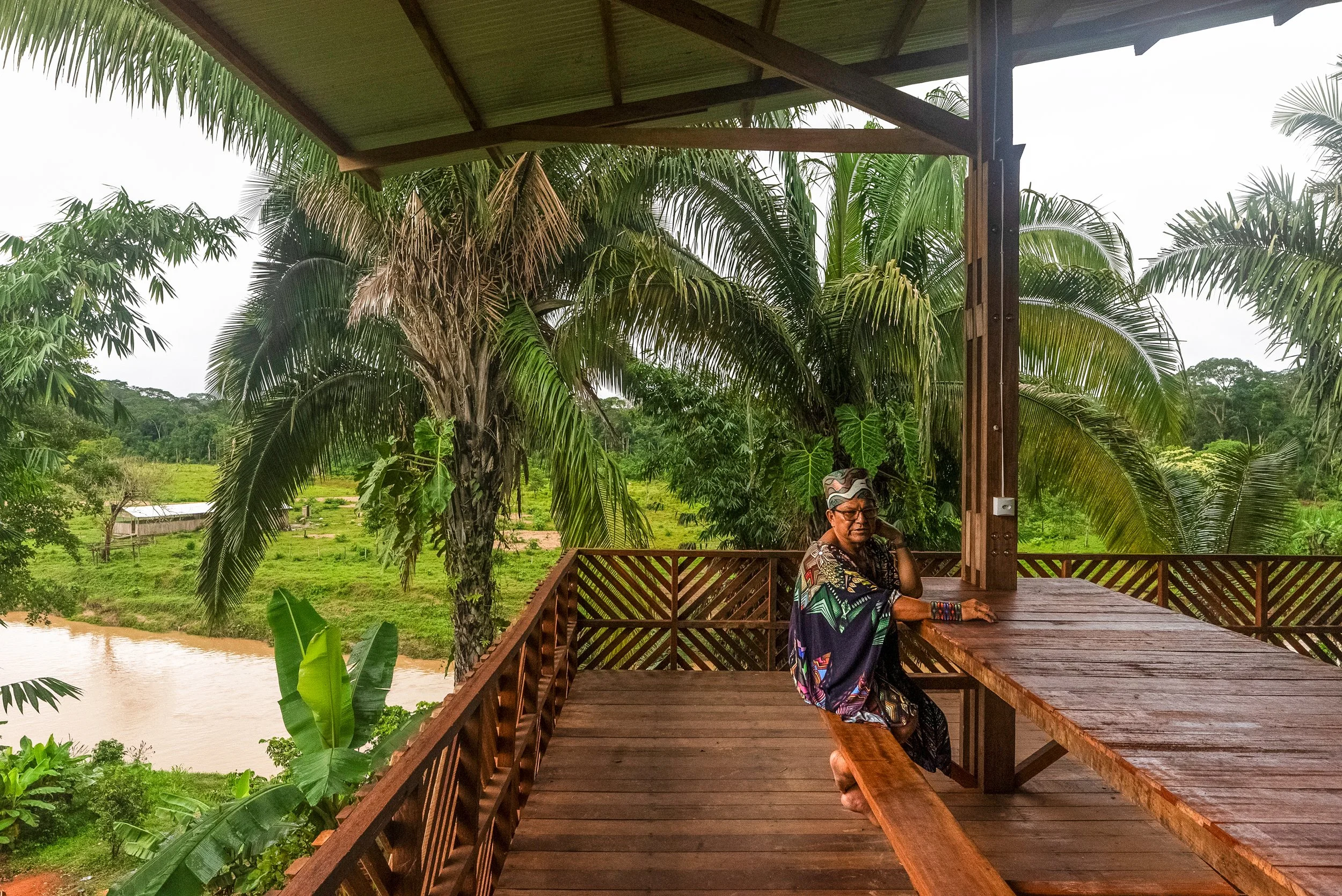
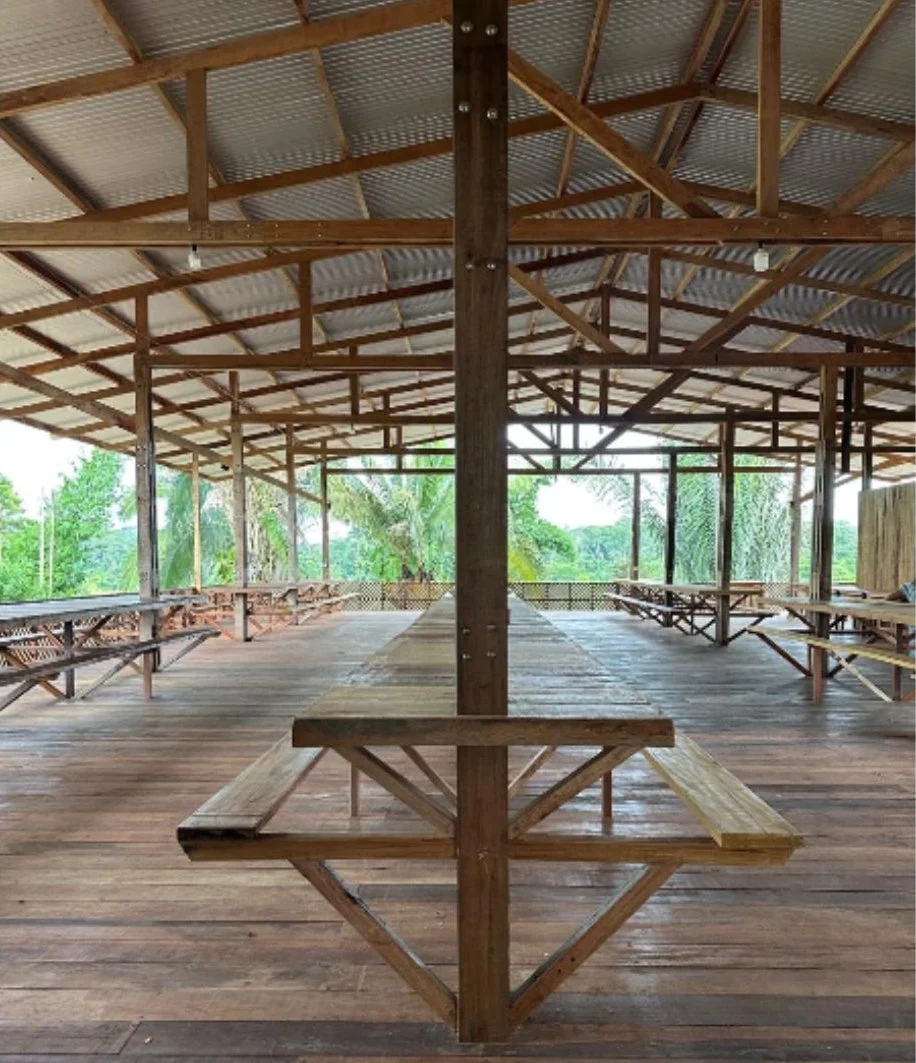
Y Pavilion
The principal facility for welcoming participants during conferences, festivals, retreats, and other gatherings. It includes:
Two guest lodges with accommodations for up to 250 people
A dining hall seating 250 people
Restroom facilities
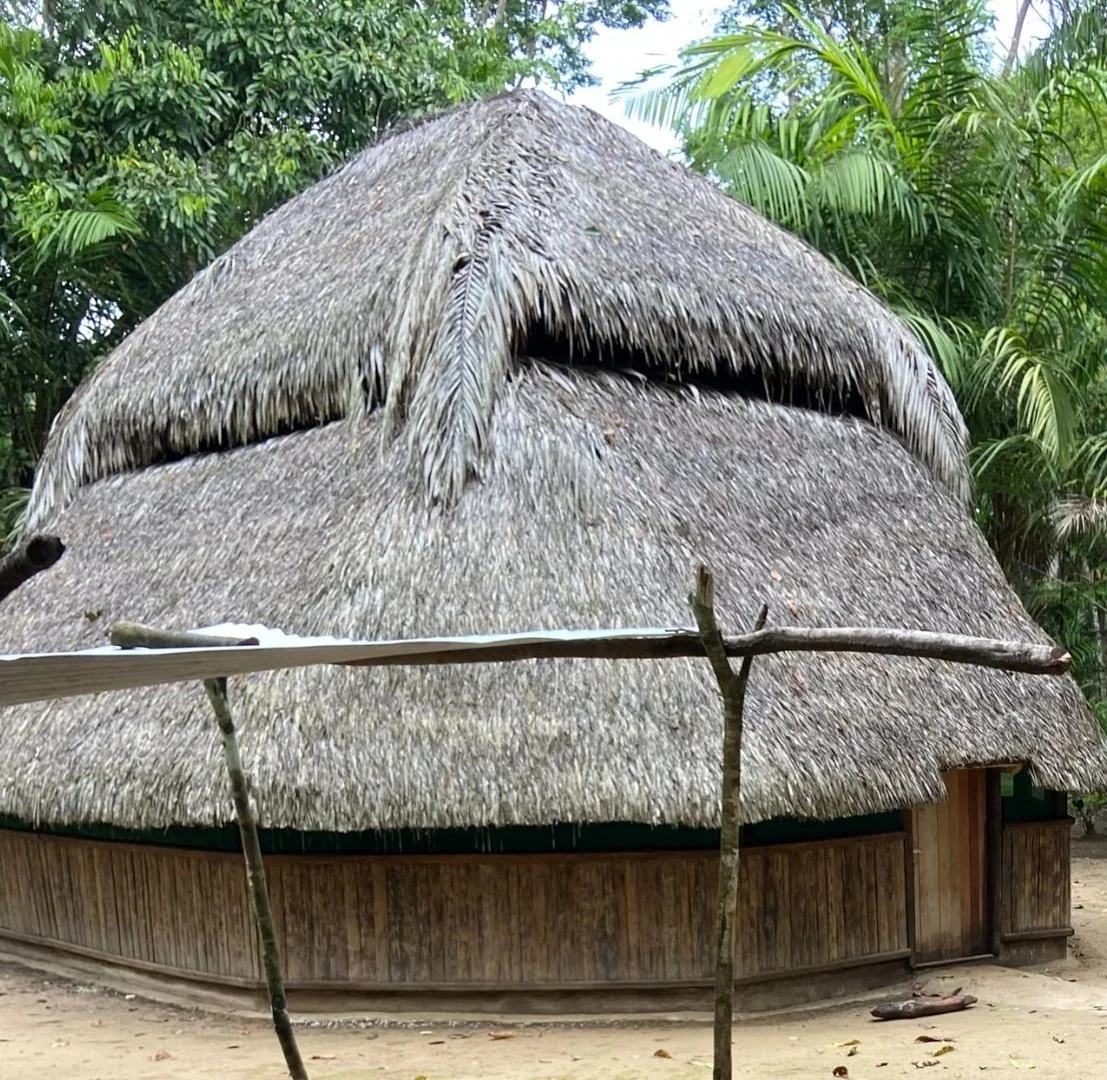
Shuhu — Ceremonial Center
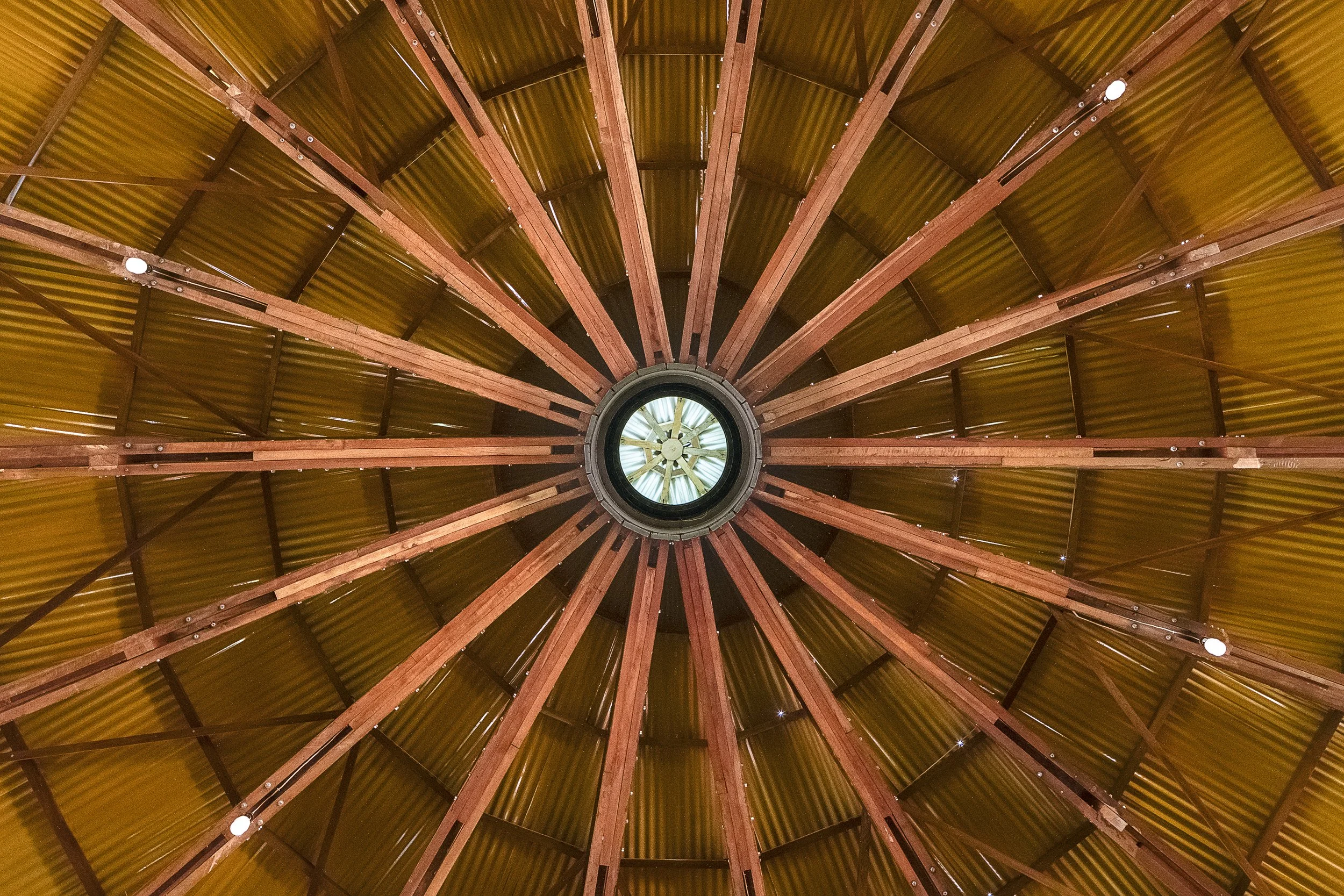
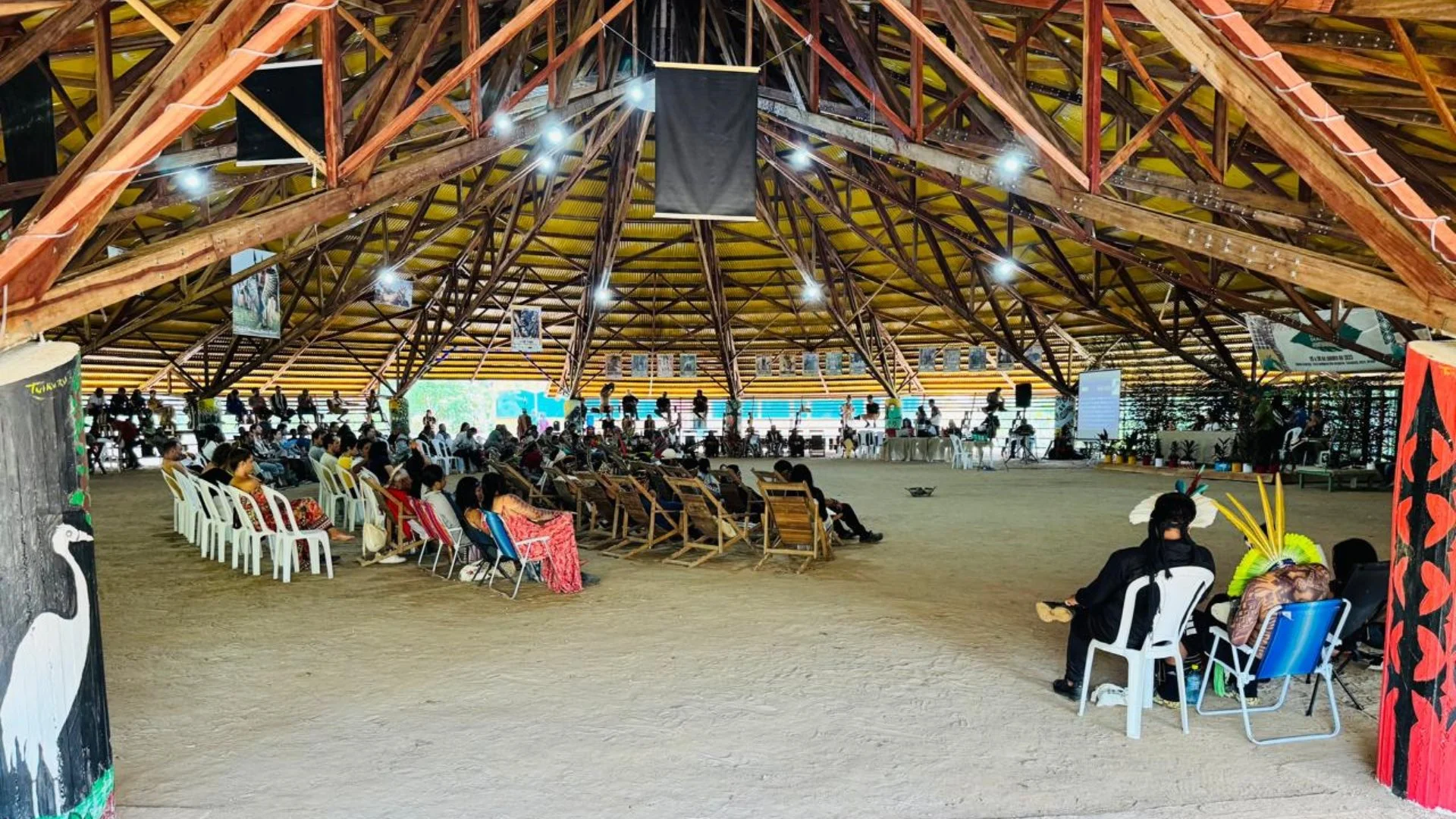
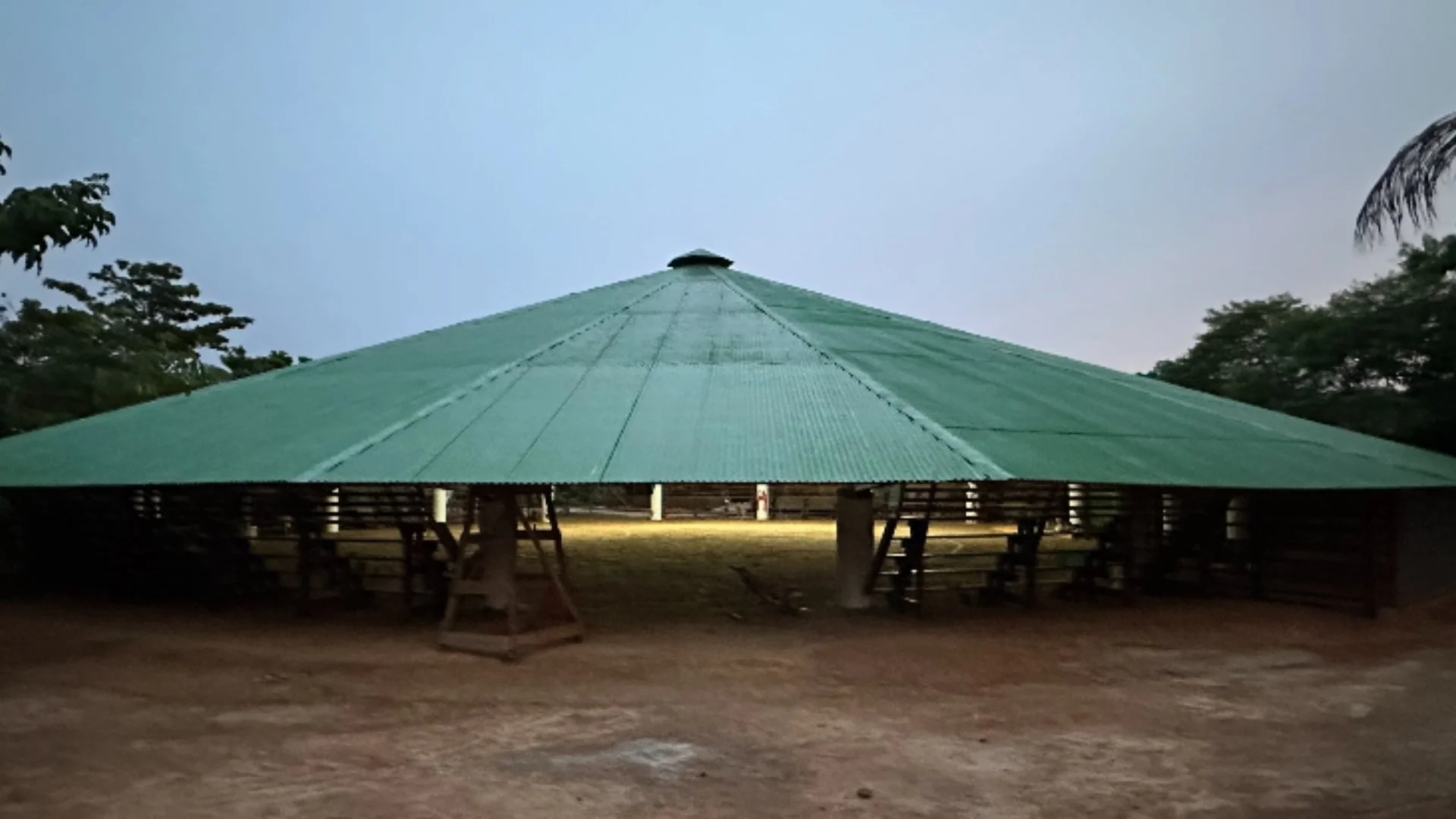
A landmark ceremonial structure measuring 33 meters (108 feet) in diameter, designed to host festivals, ceremonies, conferences, and international gatherings. As the spiritual heart of Aldeia Sagrada, the Shuhu serves as a meeting place where ancestral tradition and contemporary dialogue come together.
Model House
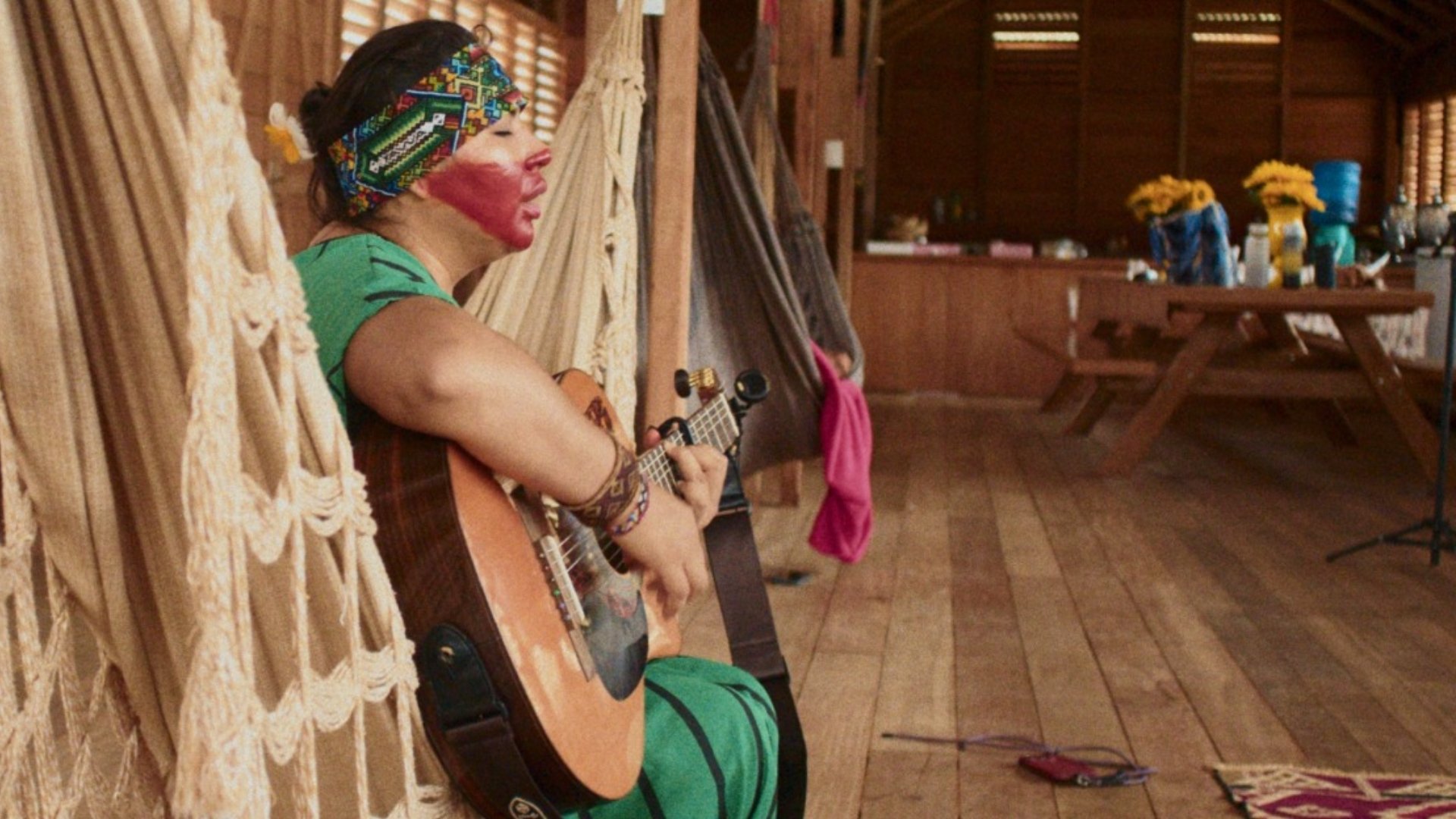
A residential structure providing comfortable accommodation for Indigenous families, combining contemporary sustainability with traditional community living. Organized around a central courtyard that creates a natural microclimate, its timber structure carries insulated roofing designed for the Amazon climate. Slatted wooden partitions and movable screens provide privacy while maintaining continuous cross-ventilation and thermal comfort.
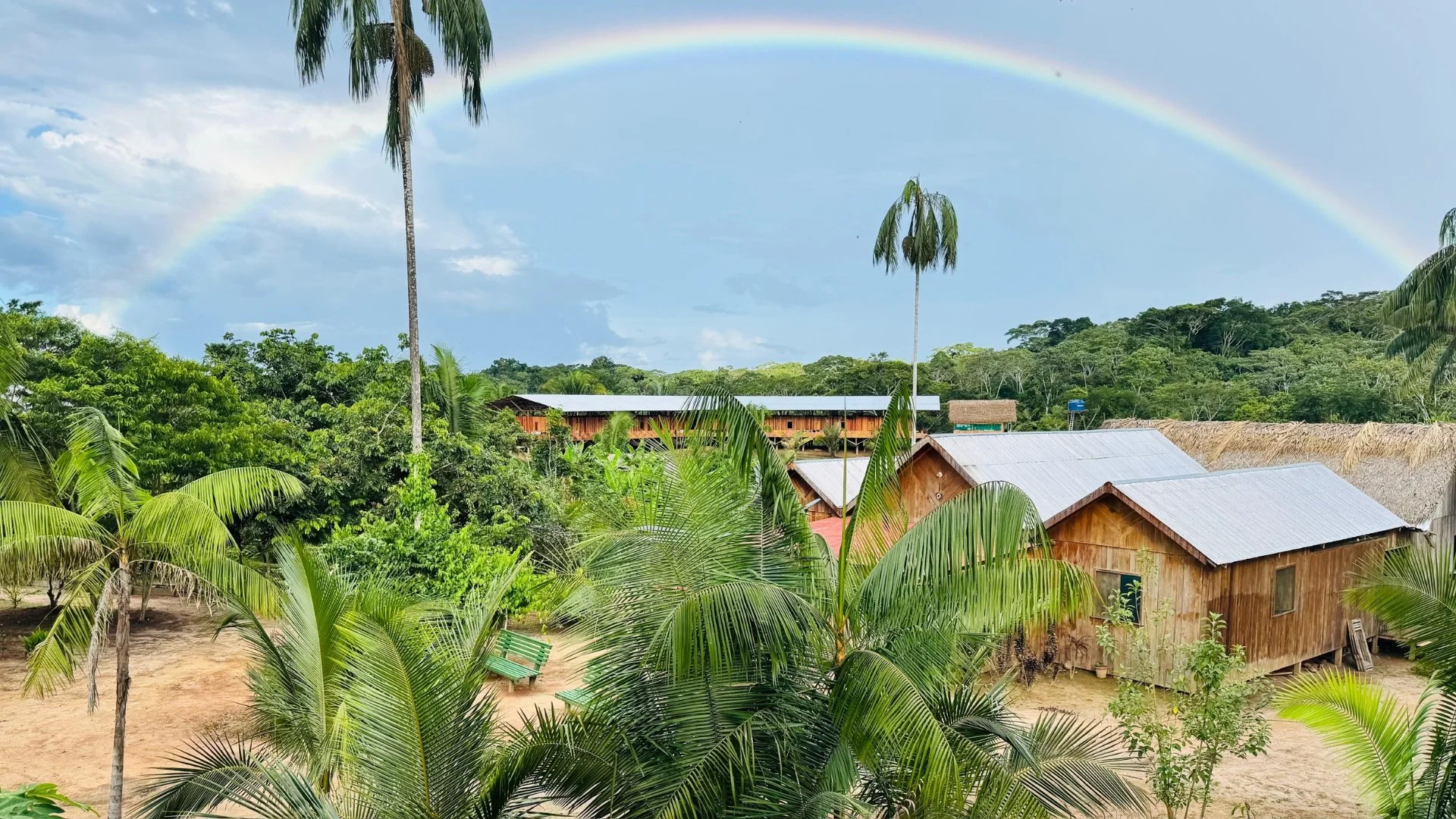
Community Houses & Visitor Bungalows
Traditional Yawanawa community homes alongside visitor bungalows designed to offer an immersive, respectful experience while preserving the rhythm and integrity of village life — supporting retreats, educational programs, cultural exchanges, and international events grounded in sustainability and respect for Indigenous traditions.
Aldeia Sagrada Family
Nawashahu & Ykashahu
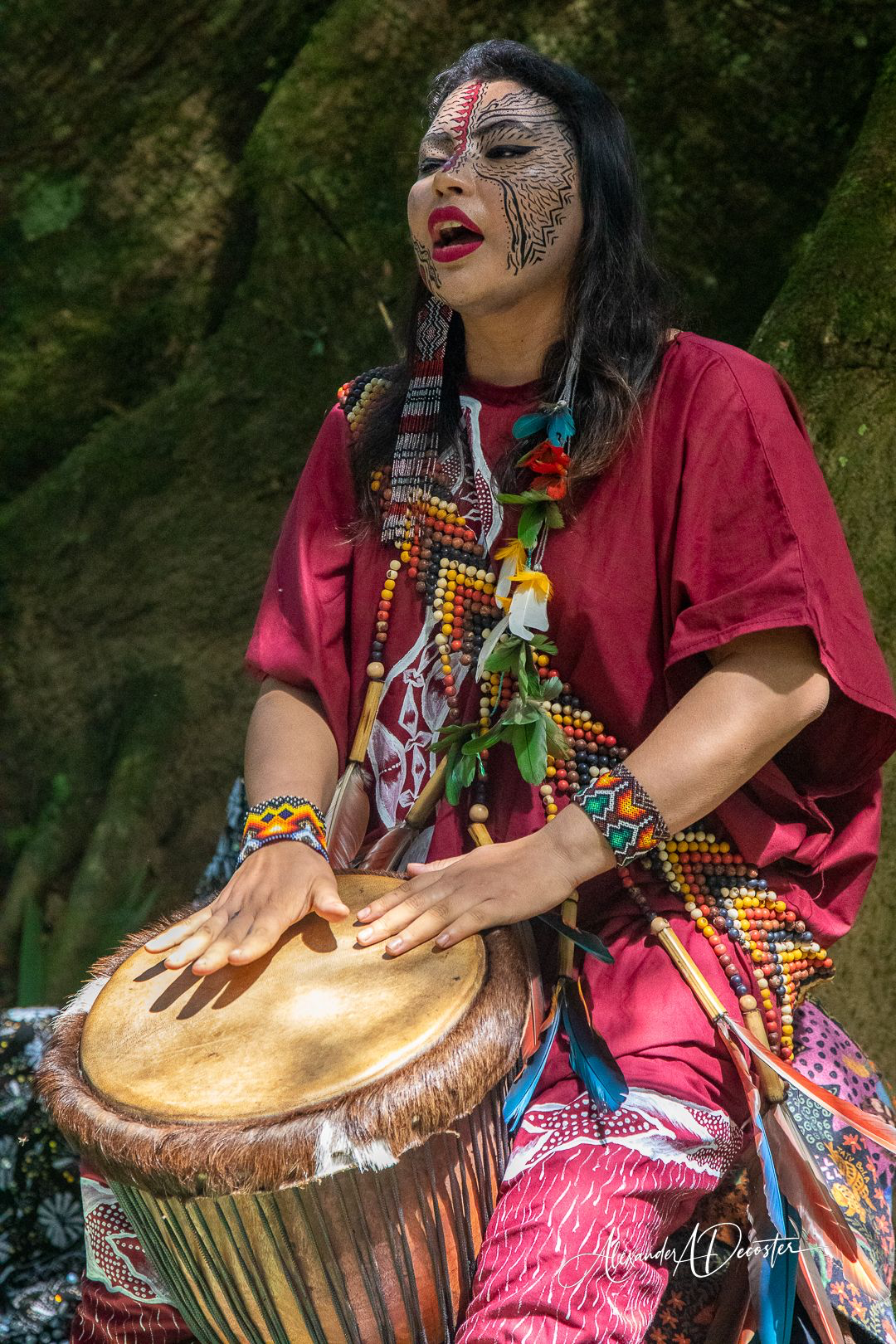
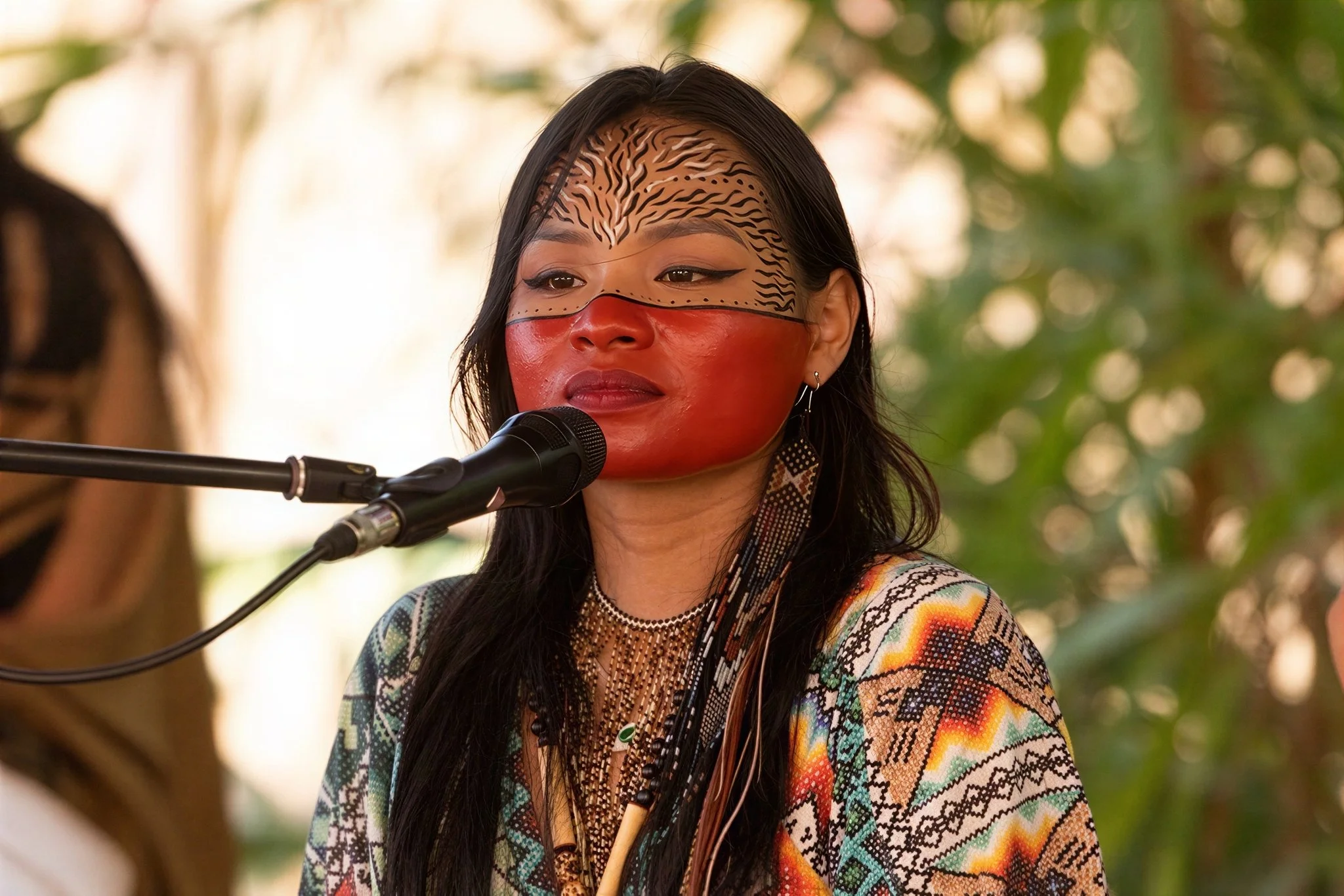
Nawashahu and Ykashahu are the eldest daughters of Chief Biraci Brasil Nixiwaka and Putanny Yawanawa. From childhood they were raised to become leaders of their people, and underwent rigorous spiritual training rooted in Yawanawa ancestral discipline.
Nawashahu and Ykashahu are part of the generation of Yawanawa musicians who began adapting traditional sacred chants to the guitar, creating new melodies while preserving their ceremonial essence. In less than fifteen years, the Yawanawa have become an internationally recognized musical phenomenon, and Nawashahu and Ykashahu composed many of these now-iconic works. Together with their younger sister Mukashahu, Nawashahu is one of the artists behind the ancestral iconography and kenes (traditional geometric designs) featured in Winds of Yawanawa, the acclaimed collaboration with Refik Anadol Studio — a project that grew into a close, chosen spiritual kinship between the artists and the family of Nixiwaka and Putanny.
Ykashahu is recognized as one of the most gifted singers of the Yawanawa Nation. She composed Taupey, the sacred song featured in the Winds of Yawanawa collection, celebrated for its emotional depth and ancestral resonance. Beyond her artistic work, Nawashahu plays a central role at Aldeia Sagrada, leading ceremonies and teaching during spiritual diets and music retreats alongside her parents.
Mukaveine & Mukashahu
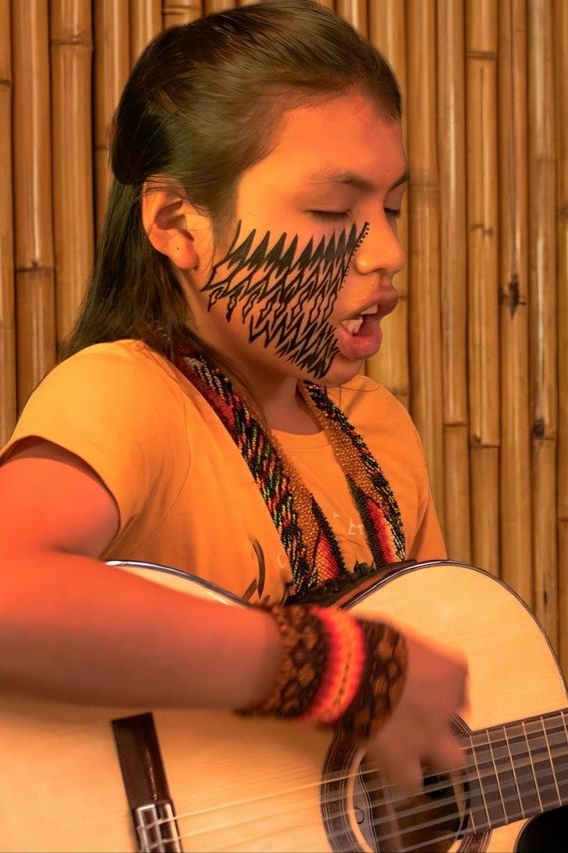
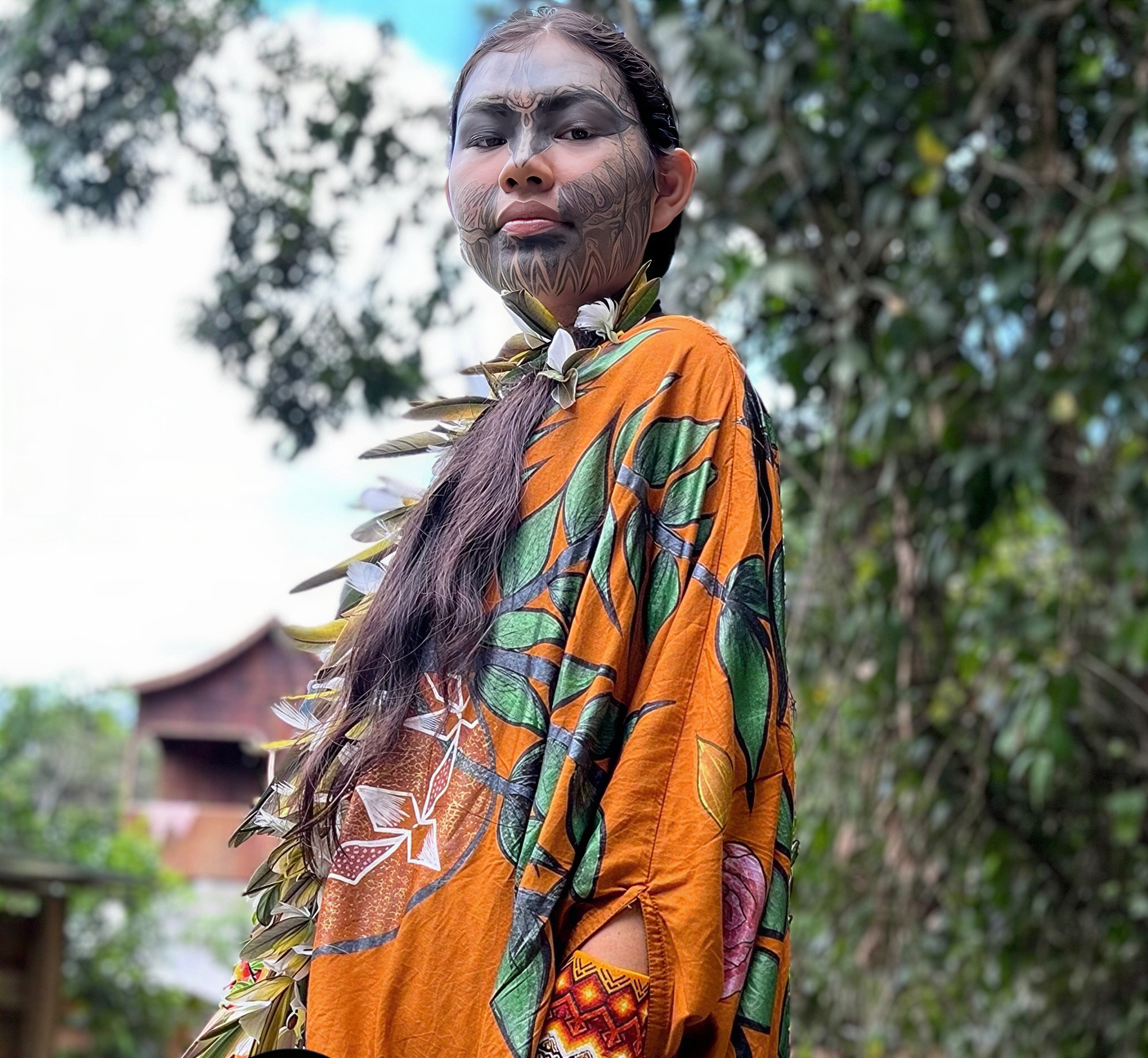
Mukashahu is the third daughter of Chief Biraci Brasil Nixiwaka and Putanny Yawanawa, born after Putanny completed the highest spiritual initiation within the Yawanawa tradition. According to Yawanawa tradition, this sacred lineage consecrates the individual as a being deeply connected to the spirits, the forest, and the natural elements.
Mukashahu and her brother Mukaveine have been raised since childhood to become future leaders of the Yawanawa Nation, both showing extraordinary cultural and spiritual gifts from an early age. Now in their adolescence, Mukashahu is a composer of sacred songs and an artist of the ancestral kenes that express Yawanawa cosmology. Her visionary drawings formed the foundation of the Winds of Yawanawa collaboration, later brought to life through the colors and interpretation of her sister Nawashahu.
Since childhood, Mukaveine has been affectionately known as “Caciquinho” (“Little Chief”), a name reflecting both his community's affection and his future role among the next generation of leaders. Raised within the living traditions of the Yawanawa while also engaging with the contemporary world, Mukaveine and Mukashahu embody the continuity of a lineage committed to protecting the forest, strengthening culture, and preserving ancestral spirituality.
Peu
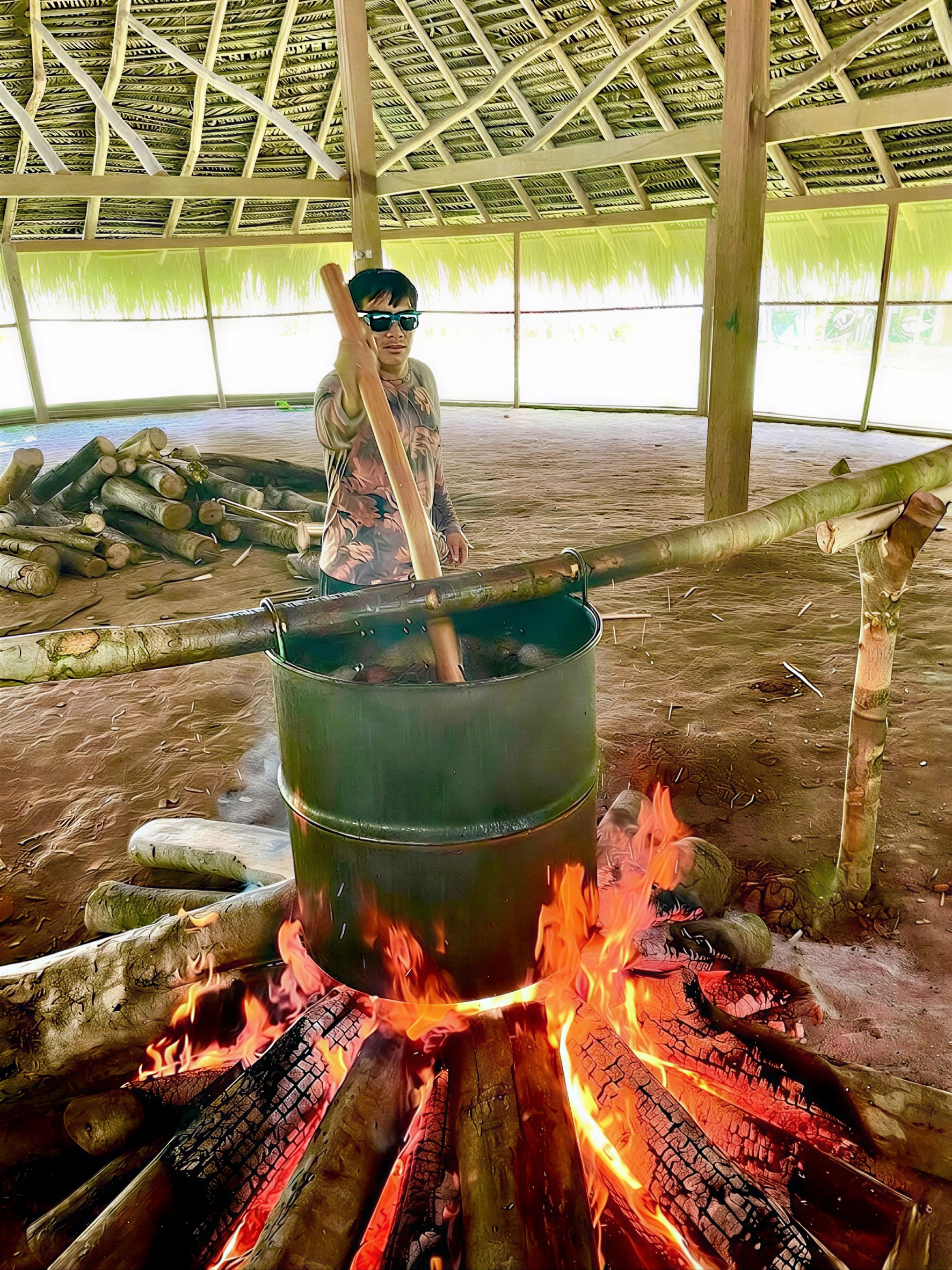
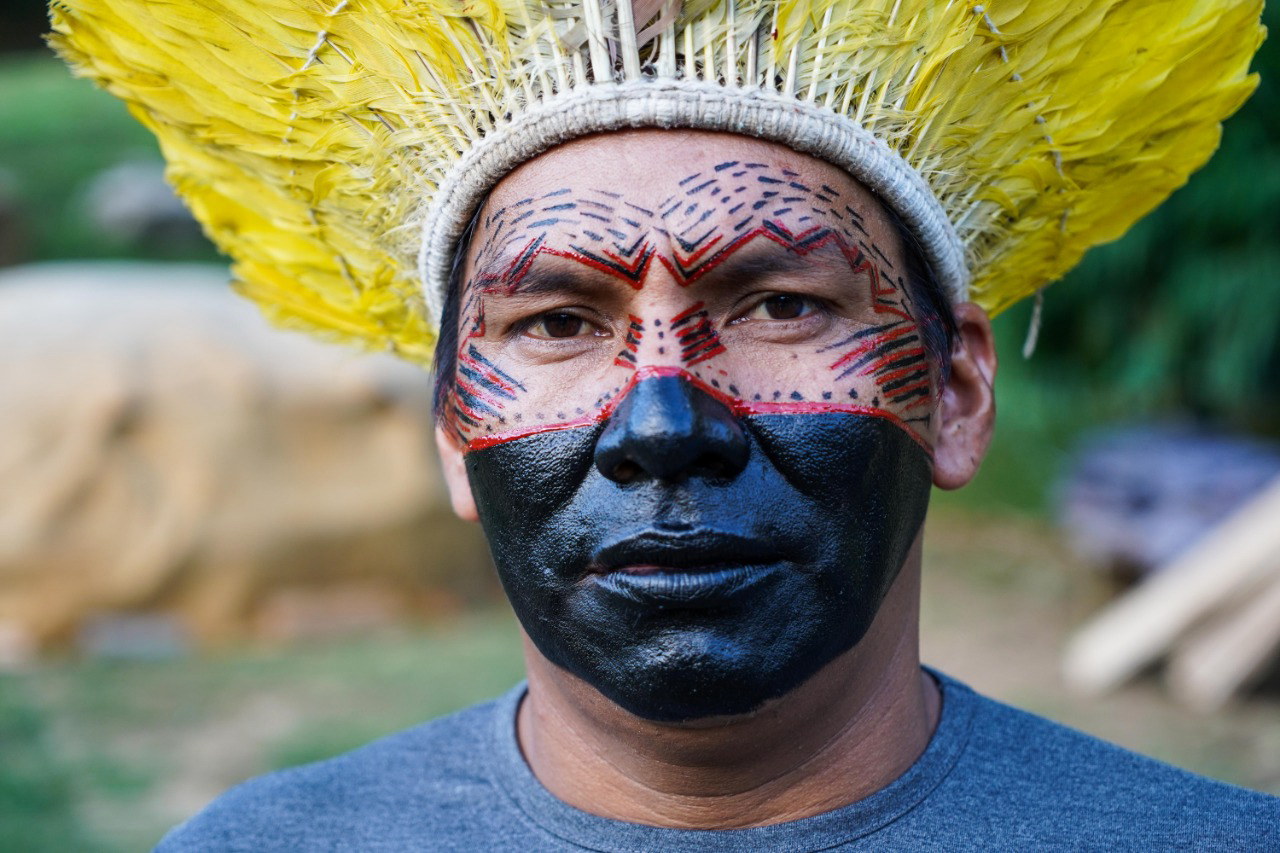
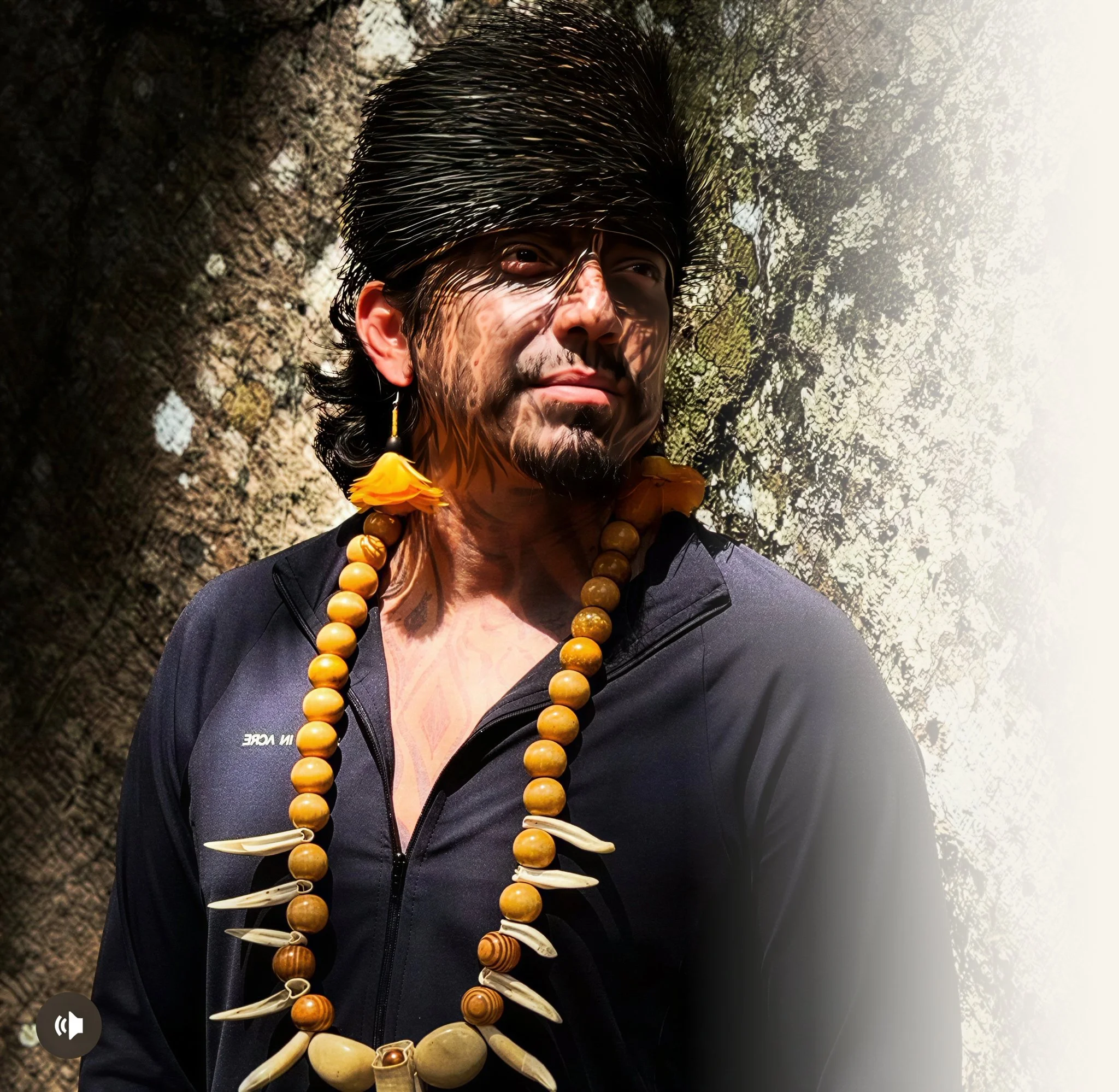
Peu Yawanawa is one of the most respected medicine men of the Yawanawa Nation and a leading guardian of its ancestral spiritual traditions. Among the Yawanawa, he is known for having undertaken one of the longest spiritual diets of his generation, dedicating seven years to one of the most demanding initiation processes within the tradition.
In addition to his Yawanawa training, Peu completed demanding spiritual diets alongside Putanny Yawanawa under the guidance of a renowned Marubo medicine man, deepening his understanding of Amazonian spiritual traditions. Today he performs traditional healings, blessings, and ceremonies both within Yawanawa communities and for visitors from around the world.
Peu is also one of the principal masters responsible for preparing Uni (Ayahuasca) and Rapé at Aldeia Sagrada, following ancestral protocols with great care. Deeply committed to the continuity of his people's heritage, he mentors Yawanawa youth in ceremonies, traditional medicines, and sacred chants, helping ensure that this knowledge continues to flourish.
Nova Esperança & Chief Isku Kua
Nova Esperança (New Hope) village holds a unique place in the contemporary history of the Yawanawa people. Its founding marked the beginning of a new era of autonomy and cultural reconstruction, after decades in which the community lived under the strong influence of Protestant missionaries. When that period ended, Yawanawa leaders recognized it was time to rebuild their identity, recover their ancestral knowledge, and restore their spiritual traditions. Chief Biraci Brasil Nixiwaka led the establishment of Nova Esperança, whose very name symbolizes the rebirth of a people and their confidence in the future.
For many years, Nova Esperança served as the principal community for the entire Yawanawa Nation. It was here that the Yawanawa rebuilt their culture, revitalized their ceremonies, revived their language, and formed a new generation of leaders — carrying out one of the most successful processes of cultural revitalization among the Indigenous peoples of the Amazon. As the population grew and new villages were established across the territory, Chief Nixiwaka and Putanny returned to Aldeia Sagrada, allowing Nova Esperança to continue flourishing under a new generation of leadership.
Today, Nova Esperança is led by Chief Isku Kua Yawanawa, one of the leading figures of the new generation of Indigenous leadership. Alongside guiding community development and sustainable initiatives, Chief Isku Kua has devoted himself to preserving Yawanawa cultural heritage — most notably through the revitalization of the Yawanawa language, directing efforts to teach younger generations, document the language, and encourage its daily use. His work reflects the understanding that language preserves not only words, but history, worldview, and a unique way of understanding life.
Nova Esperança is the largest and most populous Yawanawa community, home to hundreds of residents and recognized as a principal center for Yawanawa culture, spirituality, and community life. Together with Aldeia Sagrada and the other communities of the Gregório River Indigenous Territory, it stands as a powerful symbol of the Yawanawa people's ability to transform profound adversity into cultural, spiritual, and social renewal — recognized internationally as a model of Indigenous leadership, forest conservation, and the preservation of Amazonian ancestral wisdom.